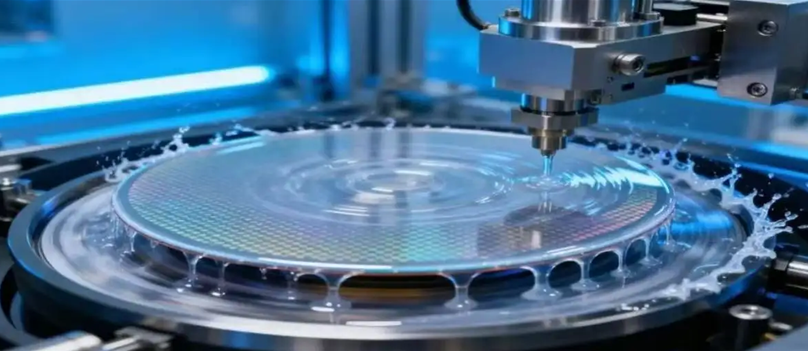
On the lithography floor, a 0.2°C drift in resist bake temperature isn’t a “small deviation.” It’s yield walking out the door. Soft bake sets the solvent profile. Hard bake locks the image. Both need heat delivery that repeats, wafer after wafer. When the bake profile wobbles, CD control slips, scum hangs around, and rinse residues show up after development. Our DUV resist bake lamp leans on near-infrared heating to build a stable thermal field with sub-millimeter uniformity. You get wafer-level temperature control that stays inside tight thermal budgets, so every soft bake and hard bake lands the same as the last run. Infrared energy couples straight into the resist, which cuts lag and overshoot. Repeatability isn’t a slogan—it shows up as setpoint after setpoint, cycle after cycle. The short version? It stays consistent because the heat goes where it’s needed, when it’s needed. The lamp fits cleanroom reality from Class 1 to Class 100. It generates low particles and stays out of the airstream. Zero particle generation keeps the resist stack clean, and the unit runs 24/7 without forcing unplanned stops. You end up with tighter critical dimensions, fewer rework lots, and predictable bake performance on DUV photoresist. Energy use drops because heat is delivered on-demand, not wasted heating up chamber mass. Here’s what matters on install: pay attention to orientation and airflow. The lamp performs best when the optical path stays clean and the thermal mass around the target is controlled. Matching the lamp to your existing bake station footprint may need minor mechanical tweaks. Plan a short commissioning run to lock in the recipe, then the process stays stable.
লিথোগ্রাফি ফ্লোরে, রেসিস্ট বেক তাপমাত্রার 0.2°C ড্রিফটকে “ছোট বিচ্যুতি” হিসেবে দেখা যায় না। এটি সরাসরি উৎপাদনের ক্ষতি। সফট বেক সলভেন্ট প্রোফাইল নির্ধারণ করে। হার্ড বেক ইমেজ লক করে। উভয়ের জন্য তাপ সরবরাহের পুনরাবৃত্তি প্রয়োজন, ওয়েফার থেকে ওয়েফার পর্যন্ত। বেক প্রোফাইল যখন অস্থির হয়, সিডি কন্ট্রোল পিছিয়ে যায়, স্কাম জমে থাকে, এবং ডেভেলপমেন্টের পরে রিন্স অবশিষ্টাংশ দেখা দেয়।
আমাদের DUV রেসিস্ট বেক ল্যাম্প নিকট-ইনফ্রারেড হিটিং ব্যবহার করে সাব-মিলিমিটার ইউনিফর্মিটির সাথে একটি স্থিতিশীল তাপীয় ক্ষেত্র তৈরি করে। আপনি পান ওয়েফার-লেভেল তাপমাত্রা নিয়ন্ত্রণ যা কঠোর তাপীয় বাজেটের মধ্যে থাকে, তাই প্রতিটি সফট বেক এবং হার্ড বেক আগের রানের মতোই হয়। ইনফ্রারেড এনার্জি সরাসরি রেসিস্টে প্রবাহিত হয়, যা ল্যাগ এবং ওভারশুট কমায়। পুনরাবৃত্তিযোগ্যতা কোনো স্লোগান নয়—এটি সেটপয়েন্ট থেকে সেটপয়েন্ট, সাইকেল থেকে সাইকেল স্পষ্ট হয়।
সংক্ষিপ্ত উত্তর? এটি ধারাবাহিক থাকে কারণ তাপ প্রয়োজনীয় স্থানে এবং প্রয়োজনীয় সময়ে পৌঁছায়।
ল্যাম্প ক্লাস 1 থেকে ক্লাস 100 পর্যন্ত ক্লিনরুম বাস্তবতার সাথে খাপ খায়। এটি কম কণিকা তৈরি করে এবং এয়ারস্ট্রিমের বাইরে থাকে। শূন্য কণিকা উৎপাদন রেসিস্ট স্ট্যাককে পরিষ্কার রাখে, এবং ইউনিট 24/7 চালিত হয়, যা অপ্রত্যাশিত থামানো বাধ্য করে না। এর ফলে কঠোর ক্রিটিক্যাল ডাইমেনশন, কম রিওয়ার্ক লট এবং DUV ফটোরেসিস্টের বেক কর্মক্ষমতা পূর্বানুমেয় হয়। শক্তি ব্যবহার কমে কারণ তাপ চাহিদা অনুযায়ী সরবরাহ করা হয়, চেম্বার মাসকে অনাবশ্যকভাবে গরম করা হয় না।
ইনস্টলেশনের ক্ষেত্রে যা গুরুত্বপূর্ণ: ওরিয়েন্টেশন এবং এয়ারফ্লোতে মনোযোগ দিন। ল্যাম্প সর্বোত্তম কর্মক্ষমতা দেয় যখন অপটিক্যাল পথ পরিষ্কার থাকে এবং লক্ষ্যবস্তু চারপাশের তাপীয় ভর নিয়ন্ত্রিত থাকে। বিদ্যমান বেক স্টেশনের ফুটপ্রিন্টের সাথে ল্যাম্প মেলানো হলে সামান্য মেকানিক্যাল সংশোধনের প্রয়োজন হতে পারে। রেসিপি নিশ্চিত করতে একটি সংক্ষিপ্ত কমিশনিং রান পরিকল্পনা করুন, এরপর প্রক্রিয়াটি স্থিতিশীল থাকবে।