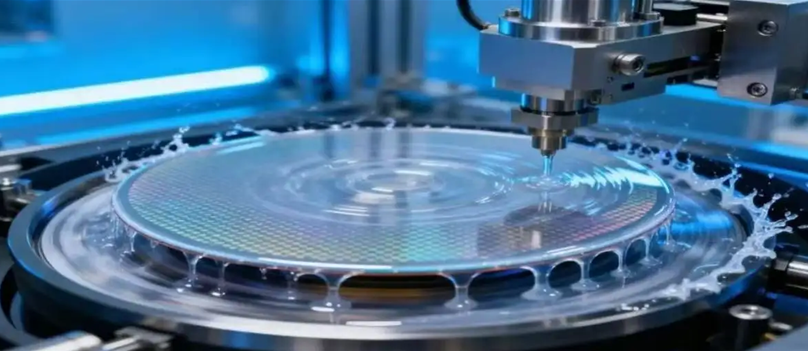
On the lithography floor, a 0.2°C drift in resist bake temperature isn’t a “small deviation.” It’s yield walking out the door. Soft bake sets the solvent profile. Hard bake locks the image. Both need heat delivery that repeats, wafer after wafer. When the bake profile wobbles, CD control slips, scum hangs around, and rinse residues show up after development. Our DUV resist bake lamp leans on near-infrared heating to build a stable thermal field with sub-millimeter uniformity. You get wafer-level temperature control that stays inside tight thermal budgets, so every soft bake and hard bake lands the same as the last run. Infrared energy couples straight into the resist, which cuts lag and overshoot. Repeatability isn’t a slogan—it shows up as setpoint after setpoint, cycle after cycle. The short version? It stays consistent because the heat goes where it’s needed, when it’s needed. The lamp fits cleanroom reality from Class 1 to Class 100. It generates low particles and stays out of the airstream. Zero particle generation keeps the resist stack clean, and the unit runs 24/7 without forcing unplanned stops. You end up with tighter critical dimensions, fewer rework lots, and predictable bake performance on DUV photoresist. Energy use drops because heat is delivered on-demand, not wasted heating up chamber mass. Here’s what matters on install: pay attention to orientation and airflow. The lamp performs best when the optical path stays clean and the thermal mass around the target is controlled. Matching the lamp to your existing bake station footprint may need minor mechanical tweaks. Plan a short commissioning run to lock in the recipe, then the process stays stable.
רצפת הליתוגרפיה, סטייה של 0.2°C בטמפרטורת אפיית הרזיסט אינה “סטייה קטנה”. זו תפוקה שנעלמת מהמפעל. אפיית רכה מגדירה את פרופיל הממס. אפיית קשה מקבעת את התבנית. בשני המקרים נדרש אספקת חום שחוזרת על עצמה מדיסקה לדיסקה. כאשר פרופיל האפייה מתנדנד, בקרת מידות קריטיות (CD) מתערערת, שאריות מזהמות נשארות, ושאריות שטיפה מופיעות לאחר הפיתוח.
המנורה שלנו לאפיית רזיסט DUV מתבססת על חימום בקרינת תת-אדום קרוב ליצירת שדה תרמי יציב עם אחידות תת-מילימטרית. מתקבלת בקרת טמפרטורה ברמת הדיסקה שנשמרת במסגרת תקציבי חום מחמירים, כך שכל אפיית רכה וקשה מתבצעת בדיוק כפי שהוגדרה בהרצה הקודמת. אנרגיית תת-האדום מוחדרת ישירות לרזיסט, מה שמפחית השהיה והתחממות יתר. חזרתיות אינה סיסמה – היא מתבטאת בנקודת הגדרה אחר נקודת הגדרה, מחזור אחר מחזור.
הגרסה המקוצרת? התהליך נשאר יציב כי החום מגיע למקום ולזמן הנדרש.
המנורה מתאימה לסביבת חדר נקי בין Class 1 ל-Class 100. היא מפיקה חלקיקים במינימום ונמנעת מלהיכנס לזרם האוויר. אפס יצירת חלקיקים שומר על ערימת הרזיסט נקייה, והיחידה פועלת 24/7 ללא הפסקות לא מתוכננות. התוצאה היא מידות קריטיות מדויקות יותר, פחות אצוות לתיקון, וביצוע אפייה יציב ברזיסט DUV. צריכת האנרגיה יורדת מכיוון שהחום מסופק לפי דרישה ולא מבוזבז על חימום מסה של תא האפייה.
מה שחשוב בהתקנה: יש לשים לב לכיוון ולזרימת האוויר. המנורה מתפקדת טוב יותר כאשר מסלול האור נשאר נקי ומסת החום סביב היעד נשלטת. התאמת המנורה למידות תחנת האפייה הקיימת עשויה לדרוש התאמות מכניות קלות. יש לתכנן הרצה קצרה לאימות המתכון, ולאחר מכן התהליך נשאר יציב.