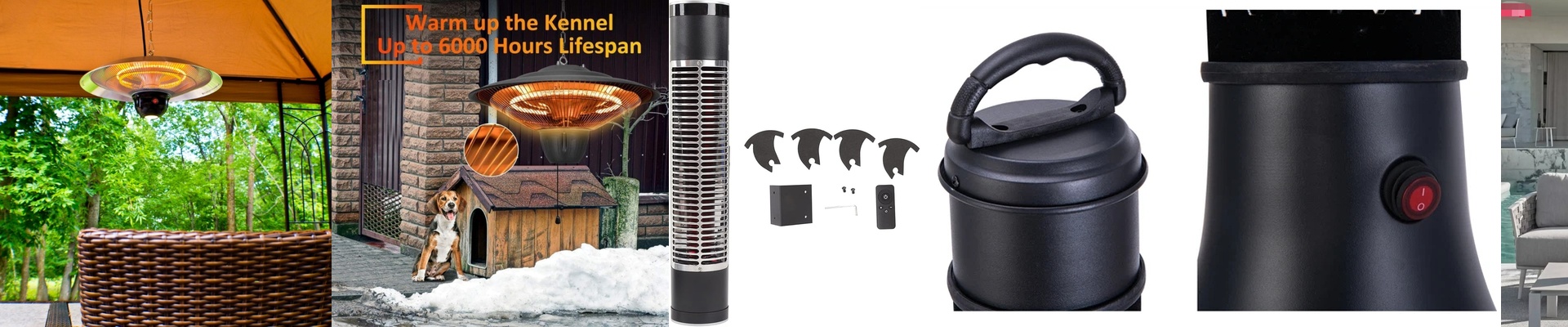
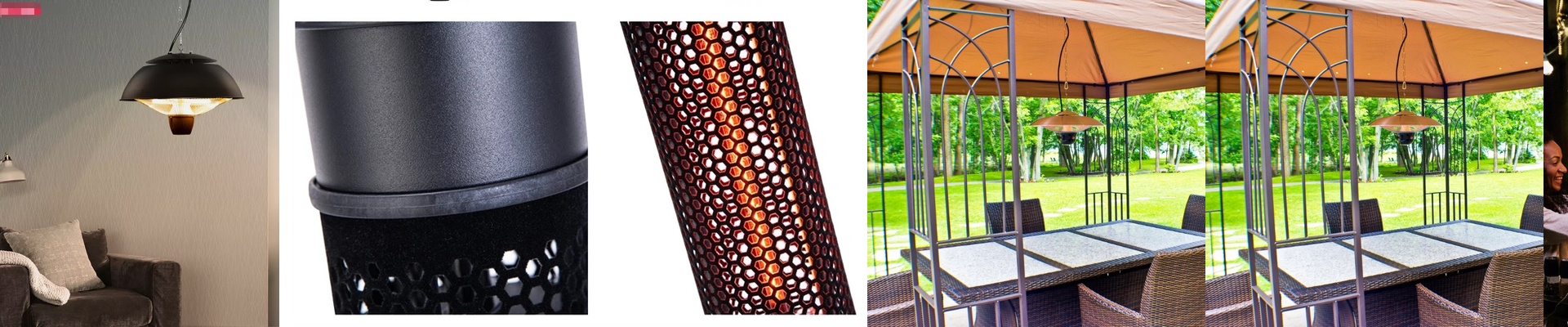
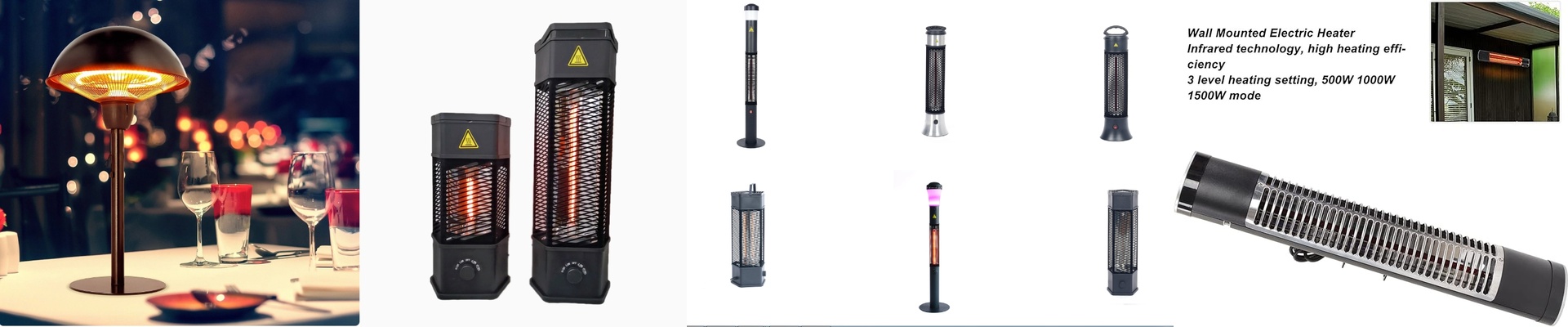

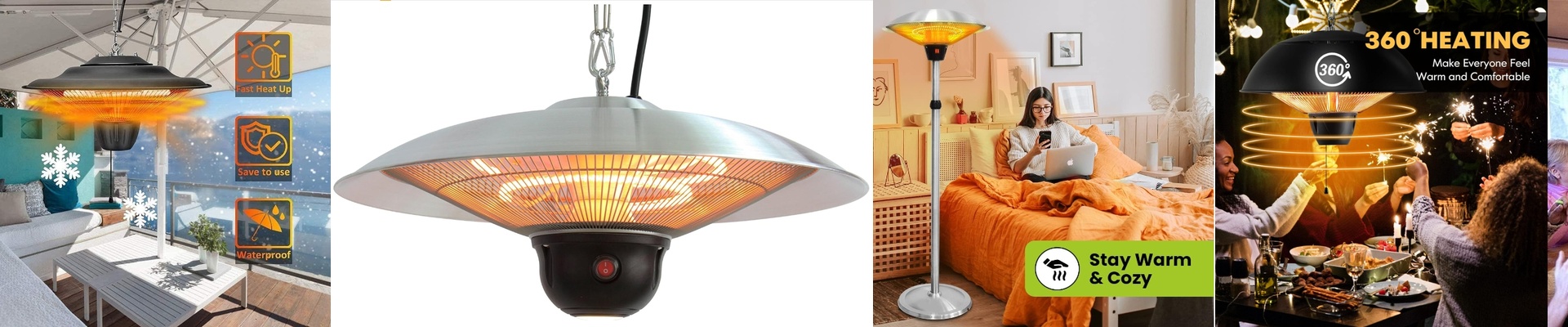

A semi-open commercial corridor sits on the line—open to foot traffic, but no match for the weather. When the air turns cold, comfort stops being a nice-to-have and becomes a business constraint. If the warmth isn’t steady, guests rush through, staff lose focus, and energy costs start climbing. A programmable electric heater built around infrared warmth shifts that dynamic.
What matters, under the hood
We built this unit around short-wave infrared technology, paired with a smart motion sensor. The carbon fiber element comes up to temperature in seconds, delivering radiant heat straight to people and surfaces—not to the empty air. A built-in thermostat holds the output steady, and the programmable timer lets you match run hours to actual occupancy. The payoff is targeted warmth, exactly where and when you need it.
Why it fits a semi-open corridor
In a space that’s partly exposed, comfort has to be on-demand and still make sense on the utility bill. The motion sensor keeps the heater in low standby when the area is empty, then snaps it back up to full when someone arrives. Less wasted heat. Lower running costs. A smaller footprint, without compromising the feeling of warmth. Patrons stick around instead of bolting, and staff stay comfortable through the shift. For operations that care about responsible energy use, it’s comfort that lines up with the numbers.
The details that make it work
Installation is straightforward, but placement is where you earn your peace of mind. Mount the unit 6–8 feet high, angle it to cover the main walkway, and keep clearances free of obstructions. Because infrared heats surfaces, drafts from openings can still feel cool at the edges—pairing units with a wind-resistant layout helps. The heater runs on standard power, and the sensor needs a clear field of view. Plan the wiring and mounting early, and you’ll get steady comfort with minimal hassle.