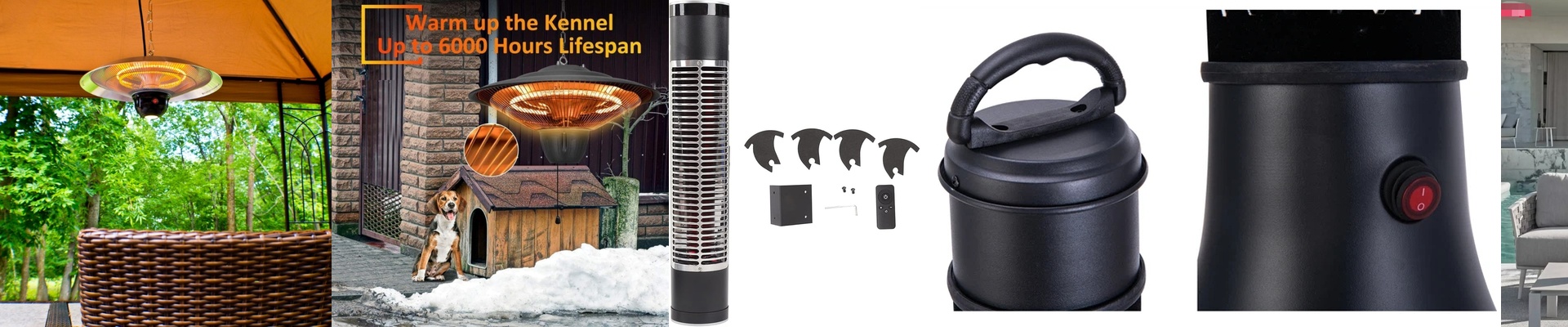
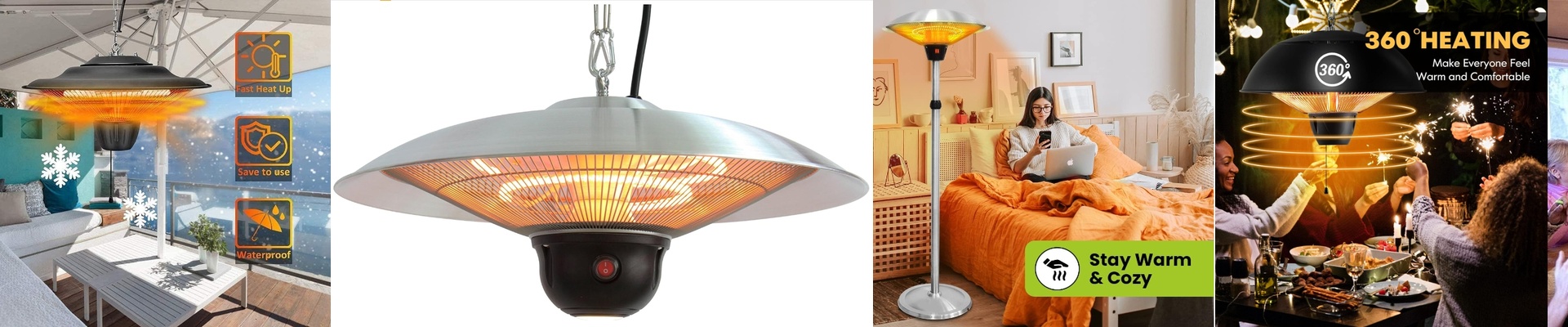

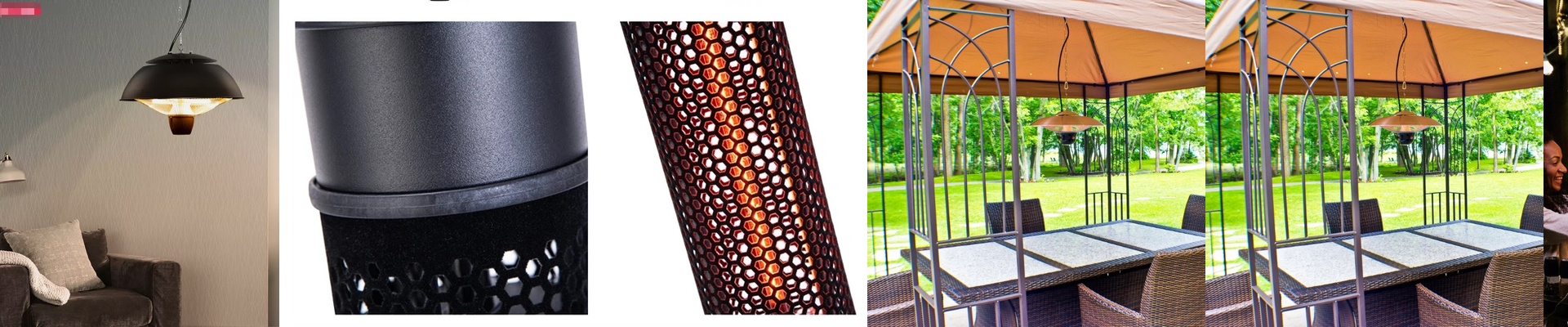
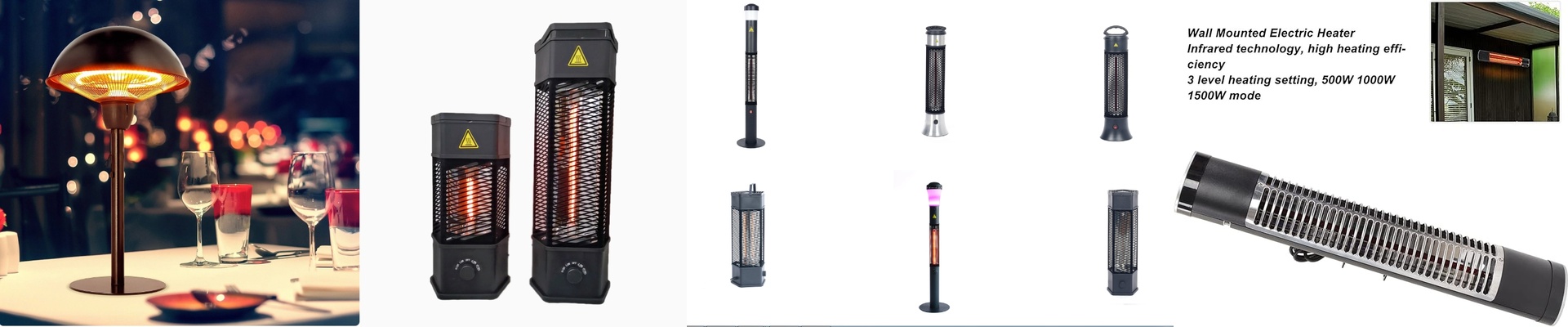

Why we’re ditching old bathroom heaters for IP65 Infrared
Let’s be honest: those old-school bathroom “light heaters” are kind of a joke. They’re basically just fancy lightbulbs that get hot. The problem is, they hate steam. The second some humidity hits those electrical contacts, they tend to flake out or just stop working. That’s why we’re seeing everyone move toward IP65-rated infrared elements. Standard lamps just can’t keep up with a steamy shower.
What’s the deal with IP65?
If you see “IP65” on a box, it just means the thing is sealed tight against dust and water jets. In your bathroom, we aren’t worried about the heater going for a swim. It’s more about the moisture in the air. Steam loves to find a way into the power terminals, and that’s where things get messy. To stop that, we use sealed gaskets and a bit of specialized “potting” compound around the wires. It basically blocks water from sneaking inside.
Warm air vs. Warm skin
Most heaters try to warm up the air in the room. But think about it—if your ventilation fan is cranking, you’re just paying to heat air that’s being sucked right out of the building. Total waste. Infrared is different. It sends out shortwave radiation that travels in a straight line. It doesn’t bother with the air; it goes straight for your skin or the floor. **It’s instant.**You flip the switch, and you feel the heat immediately. No waiting around shivering.
The materials that actually last
We usually go with quartz glass tubes and a tungsten filament. Why quartz? Because it doesn’t crack when it goes from “freezing cold damp room” to “blazing hot” in three seconds. But here’s the catch: because these things pack so much heat into such a small space, you can’t just stick them in any old housing. If you use cheap plastic mounts, they’ll warp and melt within a few months. It’s a disaster. You need high-temp aluminum or treated steel to handle the load. If the fixture can’t breathe or dissipate that heat, you’ll end up tripping your circuit breaker—or worse.