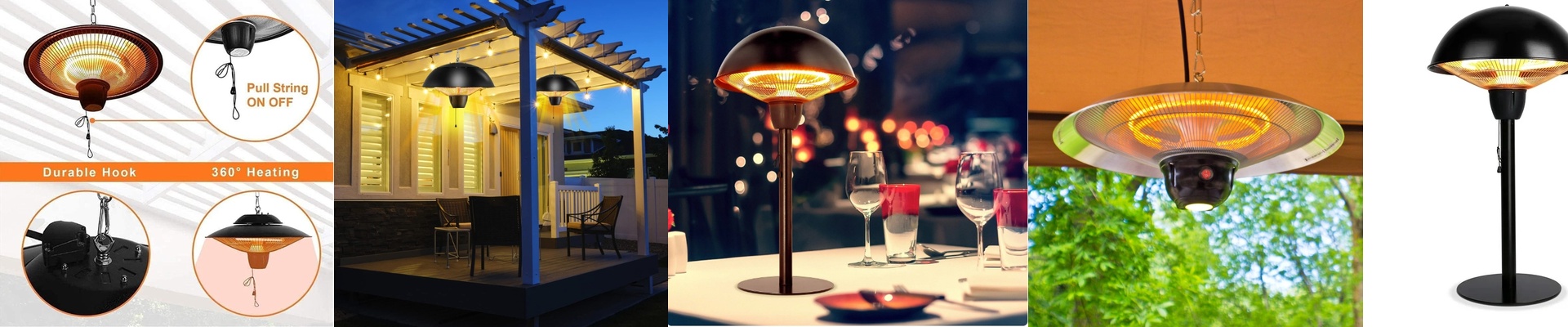
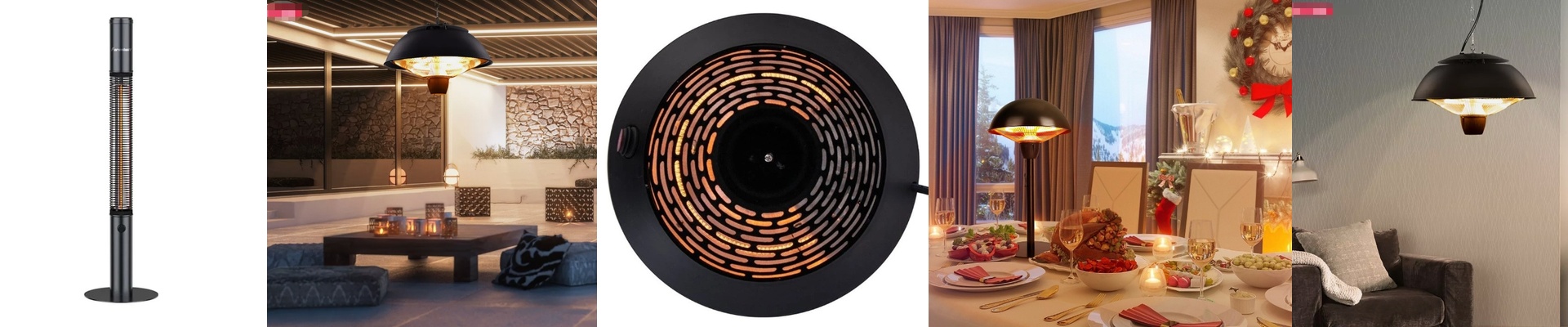

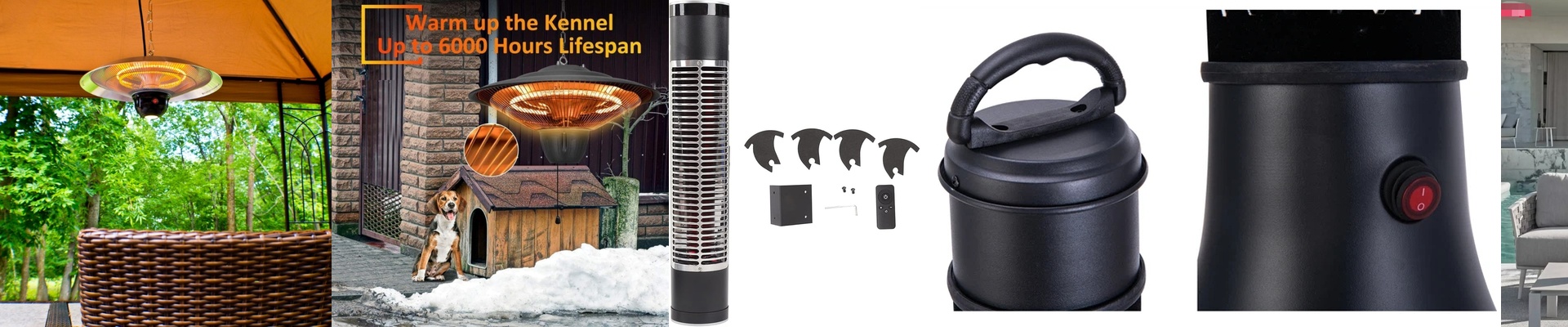
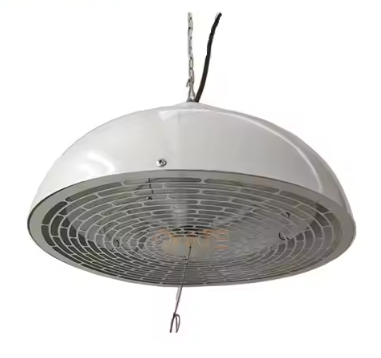
Winter doesn’t have to empty your patio. The minute the mercury dips, guests start tightening coats and tables go vacant. The problem isn’t just the cold—it’s how fast still air pulls heat from exposed skin, cutting evenings short. Throw in a targeted infrared heater, and the same space feels comfortable instead of punishing. People stay longer, order more, and come back sooner.
What matters under the hood
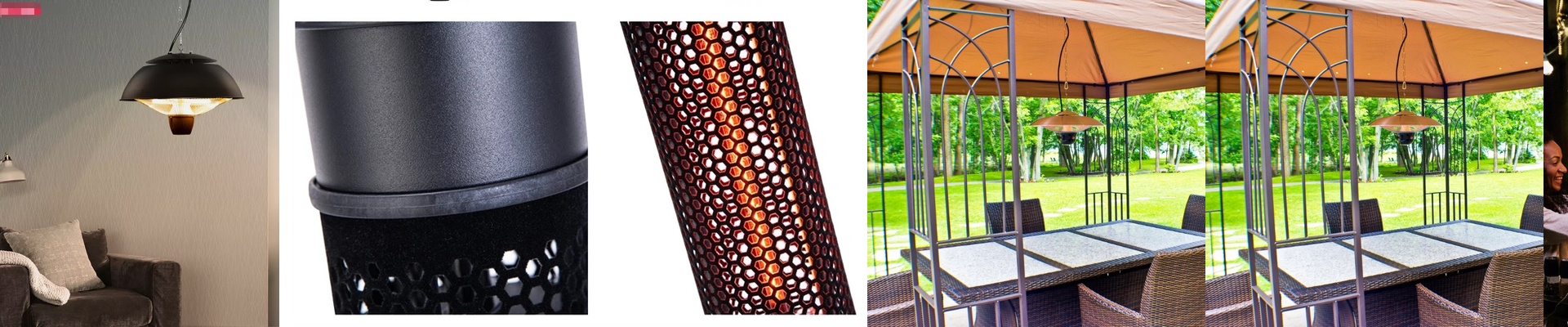
We build these around radiant warmth, not fan-forced air that just pushes drafts around. The core is a carbon fiber element inside a sealed quartz tube, producing medium-wave infrared that travels outward and warms people and surfaces directly. In practice, that means heat hits the moment you flip the switch—no long preheat, no noisy blowers. A 2000W electric heater covers roughly a 12–15 ft radius with even comfort, and the built-in thermostat keeps the output steady instead of lurching between too hot and too cold. For outdoor reliability, we spec IP55 weather resistance so the electronics stay protected from rain and wind. Safety is baked in with tip-over protection and a cool-touch outer grill.
Why this fits outdoor dining
Comfort is the product, and comfort drives revenue. Mount infrared heaters overhead or along the perimeter, and tables feel noticeably warmer without a blast of air that sends napkins and menus flying. Guests settle in, linger over dessert, and are more willing to take an earlier seating because the space feels welcoming. That means higher occupancy during peak hours and cleaner turnover when demand is steady. Because the heat is aimed where people are, you’re not throwing energy into heating empty sky.
The details that make it work
Mounting height matters. We typically recommend 7–9 ft for even coverage, positioned to avoid glare directly on tables. These are electric heaters, so plan on a dedicated circuit and weatherproof outlets. They put out serious warmth, but they do best as part of a layout—pair a few units to create a warm envelope across the dining area. In windy spots, thoughtful positioning and partial shielding help keep comfort consistent. The payoff is straightforward: when your patio stays usable, winter becomes a season you can work with, not one you shut down.