
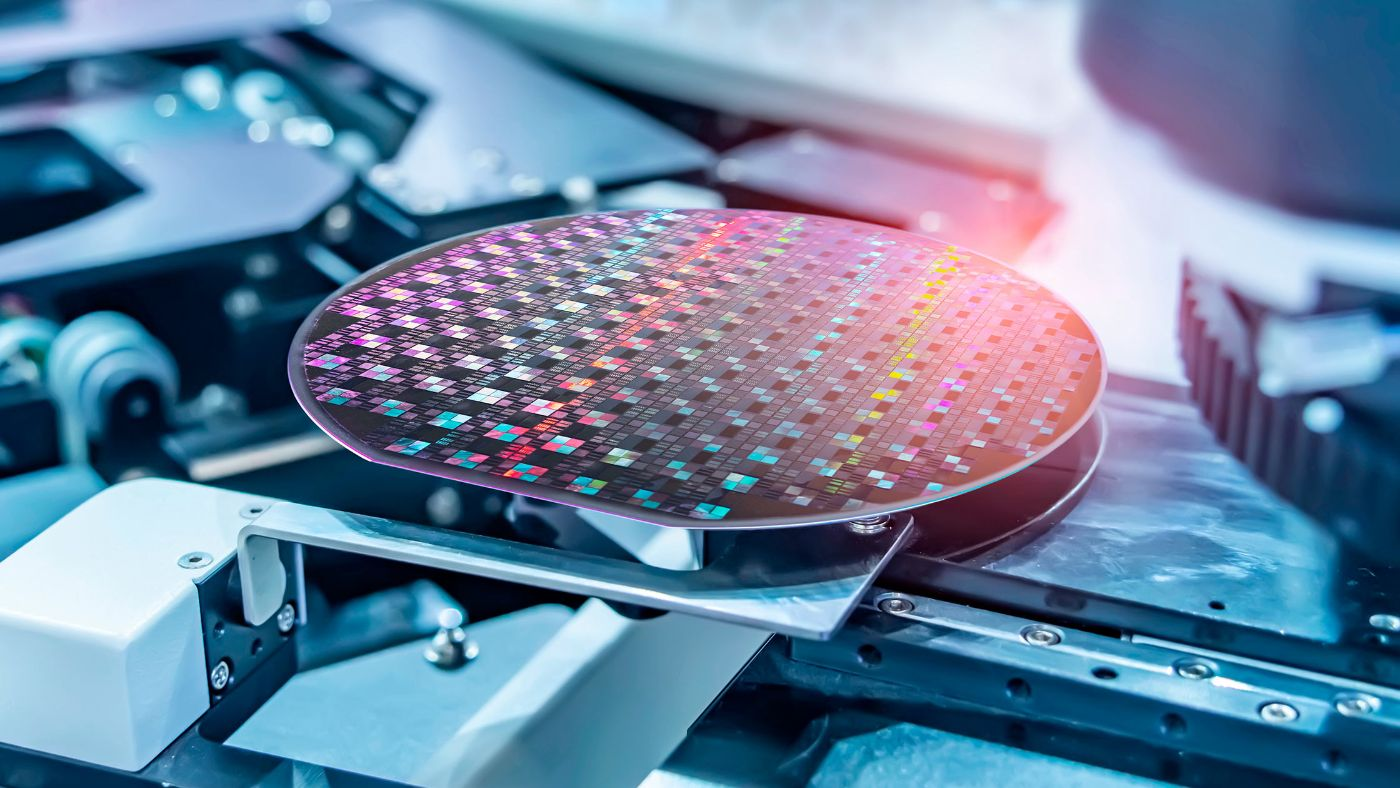
On the fab floor, the stepper lamp isn’t just there to light things up—it’s the throttle on the thermal budget for every photoresist bake. A 1°C swing in soft bake or hard bake and your critical dimension control starts drifting. Then the line stops. We built this Nikon stepper lamp replacement to hold that thermal profile steady, shift after shift. What matters under the hood is straightforward. The lamp uses a short-wave halogen element in high-purity quartz, chosen for fast thermal response and stable spectral output. It’s specced to fit Nikon steppers exactly—envelope, base, and connector interface—so swaps are quick. Across the bake plate, wafer-level thermal uniformity holds ±0.1°C, and output repeatability stays within 2% for 5,000+ operating hours. We worked the filament geometry and reflector path together so the resist surface sees a consistent peak temperature—no hot spots, no drift. Here’s why this matters in lithography cells. Repeatable soft bake cuts solvent retention, which means less footing and scum. Repeatable hard bake tightens adhesion and improves etch selectivity—fewer reworks. In Class 1–100 cleanrooms, the assembly is built to run clean, with materials and outgassing limits that won’t contaminate optics or wafers. The design pulls less energy, and the long life means fewer preventive swaps, fewer alignment interrupts, and fewer exposure tools sitting idle. A couple of practical notes. Match the lamp to the stepper model and power supply precisely. Mismatched voltage or connector polarity will throw temperature off and wreck repeatability. After installation, give the thermal loop a moment to settle—log the first ten bakes to confirm uniformity and repeatability. **Plan replacements on schedule, not on failure.**Pushing lamps past end-of-life invites output drift and particle excursions that can cascade into photoresist defects.