

On the lithography floor, stripping isn’t a passive pit stop—it’s a thermal process that has to do its job cleanly. You need the photoresist to lift off completely, no residue, no re-deposition, and without stressing the wafer stack. When the support heater misses the mark, the line feels it immediately. Defects creep in. Particle counts climb. And the yield sheet shows every degree of drift. We designed the photoresist stripping support heater to handle that moment with repeatable temperature control and cleanroom-ready materials. In semiconductor manufacturing, thermal behavior is process behavior—there’s no separating the two.
What actually matters under the hood
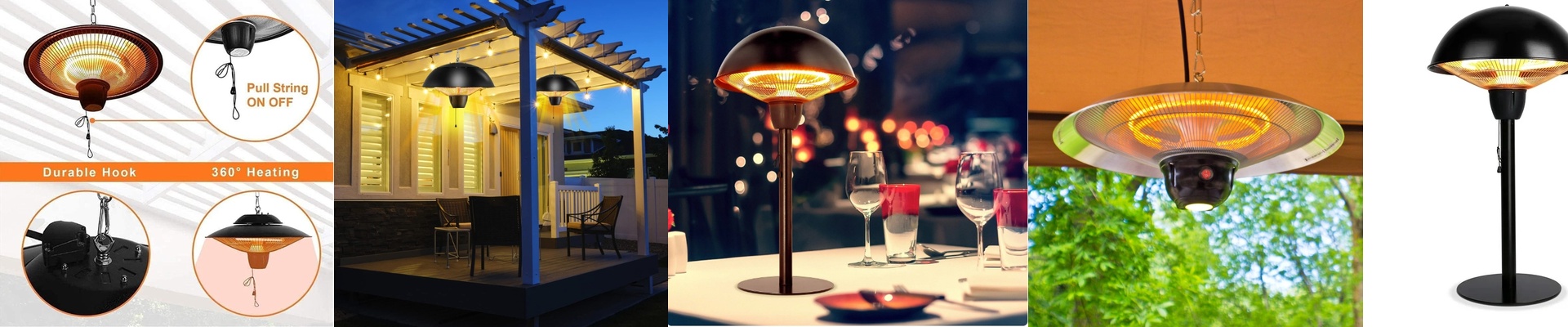
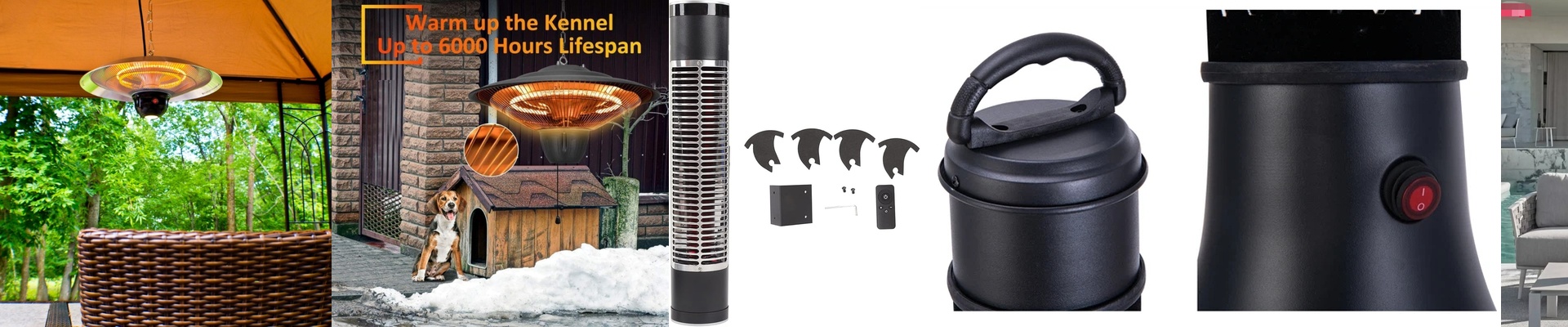
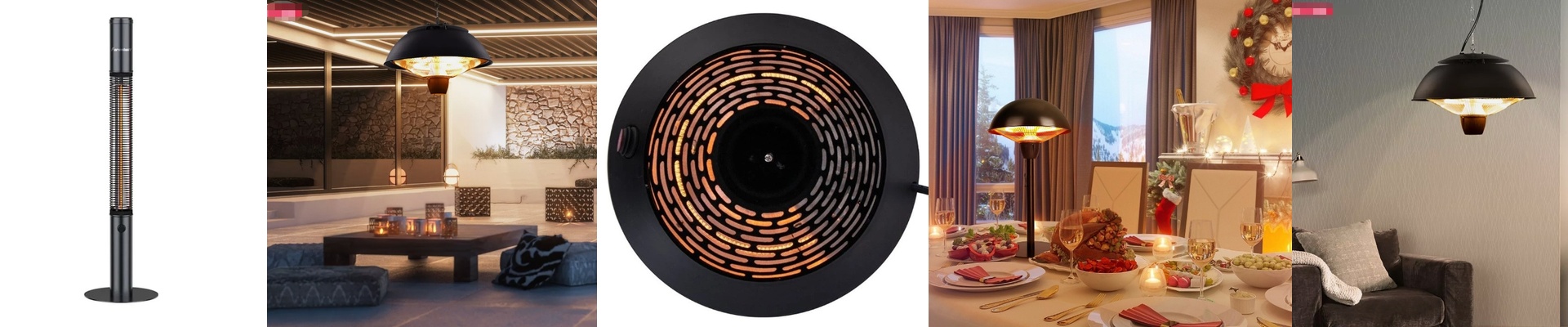
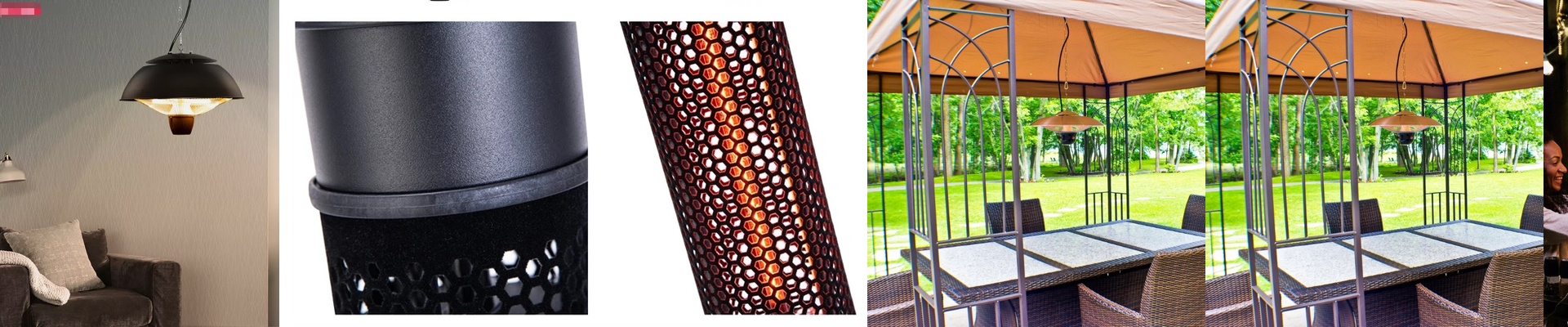
We built this heater around one non-negotiable: wafer-level thermal uniformity with stable, repeatable control. The heating element uses short-wave infrared (SWIR) to deliver fast, directional energy with tight spatial control. The response is immediate, and setpoints hold with minimal overshoot—exactly what you need when the thermal budget of the stack is tight. Wafer-level uniformity is specified at ±0.1°C across the active zone. That isn’t a vanity spec. It directly cuts local hot and cold spots that can lead to incomplete stripping, resist reflow, or substrate damage. The hot zone uses quartz components to keep outgassing low and stay inert against common strip chemistries. The heater body and interfaces are engineered for cleanroom use, fitting Class 1–100 environments without compromising particle control. Particle generation is held at zero by design: a sealed, low-turbulence airflow path and a surface finish that resists flaking and particulation. You get predictable particle performance, not wishful thinking. Reliability comes down to uptime. The system is rated for 24/7 operation, with components chosen for long life under repeated thermal cycling. In the field, we see units running 5,000+ hours with less than 5% output drop. Service is planned around scheduled maintenance, not emergency stops. And the temperature control holds run-to-run, lot-to-lot. That repeatability is what keeps the strip profile stable, even when ambient conditions, line voltage, and batch loads shift around you.
Why this matters where stripping happens
Stripping is where residue, contamination, and thermal history all meet in the same spot. If the support heater can’t maintain uniform temperature, the strip chemistry won’t hit every feature with the same energy. The result isn’t just rework—it’s scrap. This heater provides the thermal foundation that keeps strip performance consistent across device nodes and wafer types. The fast response of SWIR heating supports quick temperature transitions between steps, so you shorten cycle time without losing control. Cleanroom performance isn’t a nice-to-have—it’s the baseline. The materials and mechanical design keep particle generation low, so the strip chamber doesn’t become a contamination source. That translates to lower defect density and stable yields. Thermal repeatability also protects the film stack underneath. When temperature is tightly controlled, you reduce the risk of unwanted diffusion, delamination, and thermally induced stress. Stripping behaves like a set process parameter, not a roll of the dice. Energy use comes down to efficiency: you avoid long warm-up windows and keep setpoints stable with minimal oscillation. That’s not a marketing line—it’s the payoff from efficient energy coupling and tight control. And when the heater stays reliable through long campaigns, the line doesn’t pay for downtime in lost wafers and missed schedule.
What you need to know on the install floor
The heater works with standard semiconductor tool interfaces, but integration isn’t plug-and-play unless you respect the details that matter in production. Installation requires precise alignment of the hot zone to the wafer path. If it’s off, you’ll see asymmetric temperature distribution and increased local particle shedding. Electrical integration has to match the site voltage, grounding, and safety interlocks on the host platform. The heater’s performance depends on stable power—line fluctuations translate straight into thermal deviations. Cleaning and preventive maintenance are straightforward, but they’re mandatory. Over time, even cleanroom-compatible systems pick up trace deposits at interface edges. Set a scheduled cleaning interval based on your tool’s actual particle trend data. One practical constraint: the heater is designed for low particle operation, but it isn’t immune to extreme chemical exposure. Aggressive, non-standard strip chemistries can accelerate aging of seals and fittings. If you run those chemistries, specify compatible materials up front. Stripping is judged by results—residue-free surfaces, stable particle counts, and predictable cycle times. This photoresist stripping support heater is built to make those results consistent, shift after shift, wafer after wafer.