
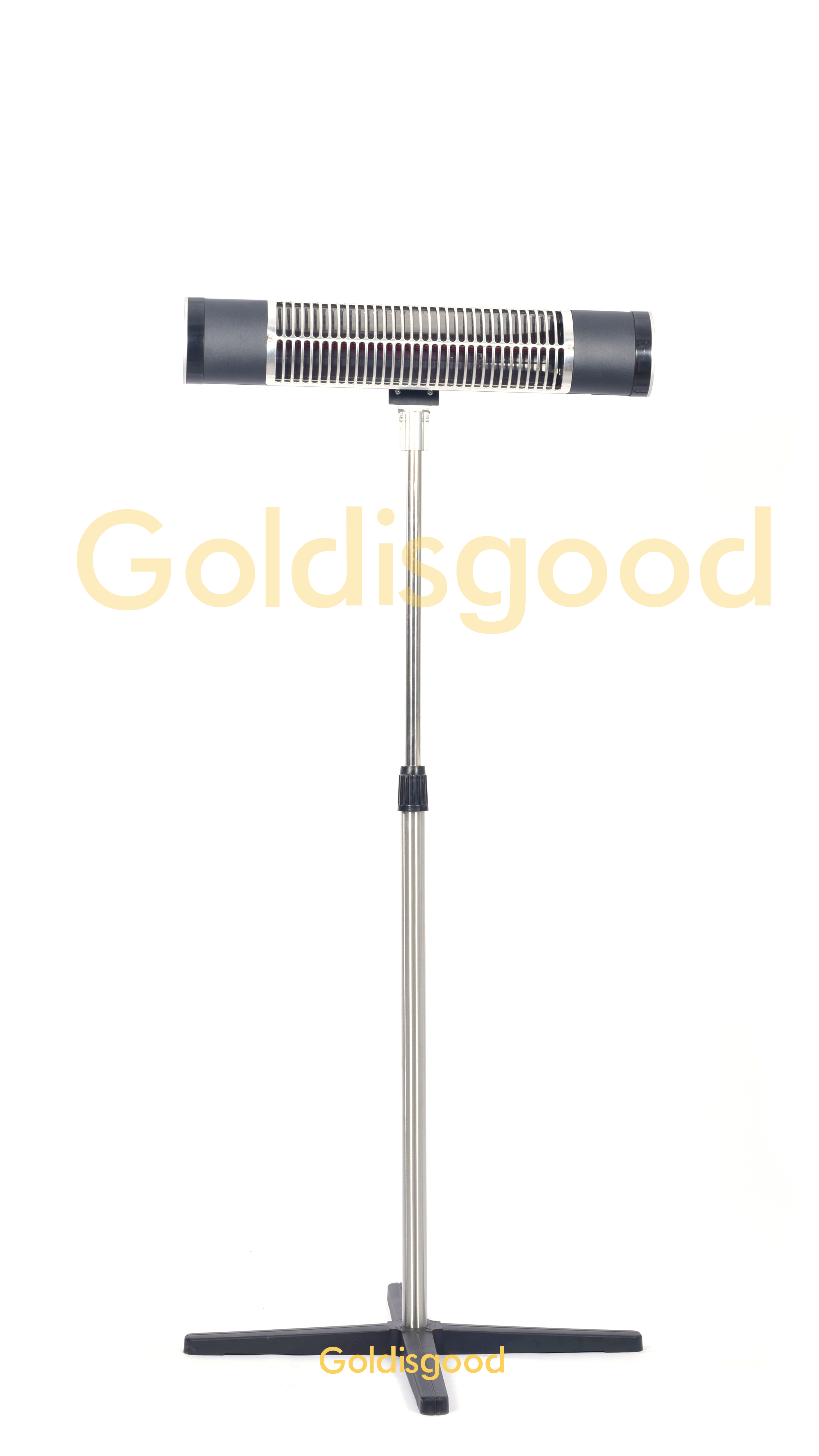
Keeping Your Bathroom Infrared Heaters from Becoming a Hazard
Putting an infrared heater in a bathroom is a bit of a gamble if you aren’t careful. You’ve got steam, splashes, and constant humidity. In an environment like that, a ground fault isn’t just a technical glitch—it’s dangerous. For us, the real battle is won or lost at the junction where the heating element meets the power lead. That’s where things usually go wrong.
Dealing with the Damp
Here’s the thing: water vapor ruins standard insulators. It just eats away at the resistance. To stop current from leaking where it shouldn’t, we stick with high-grade quartz glass and ceramic end-caps. The seal at the lamp head has to be airtight. Period. If even a little steam sneaks into the housing, it creates a bridge for electricity to jump from the live filament straight to the chassis. We push our insulation through some pretty brutal voltage tests to make sure the power stays exactly where it belongs, even when the room feels like a sauna.
The Weak Point: The Connection
Most failures happen at the connector. It’s the “Achilles heel” of the whole setup. Standard R7s or SK15 sockets are fine for a dry living room, but in a wet zone? Not a chance. They need a waterproof shroud to survive. We use sealed terminal blocks or potted connections to lock the moisture out entirely. And we don’t stop there. We wrap the wiring in silicone or PTFE sleeves. They handle the heat and keep the wires from fraying or corroding over time. It’s a simple fix that saves you a massive headache later.
The Balancing Act
Now, there’s a catch. When you seal a heater tight enough to make it waterproof, you’re also trapping heat around the internal wiring. It’s a trade-off. If you over-seal the unit without thinking about the thermal load, you’ll basically cook the internal components and kill the lamp’s lifespan. You need enough thermal mass or a smart vent to let the unit breathe. One last piece of advice: always wire this up with a dedicated GFCI breaker. Think of it this way—the hardware handles the insulation, but the breaker is your safety net. It’s the peace of mind you want when you’re stepping out of the shower.