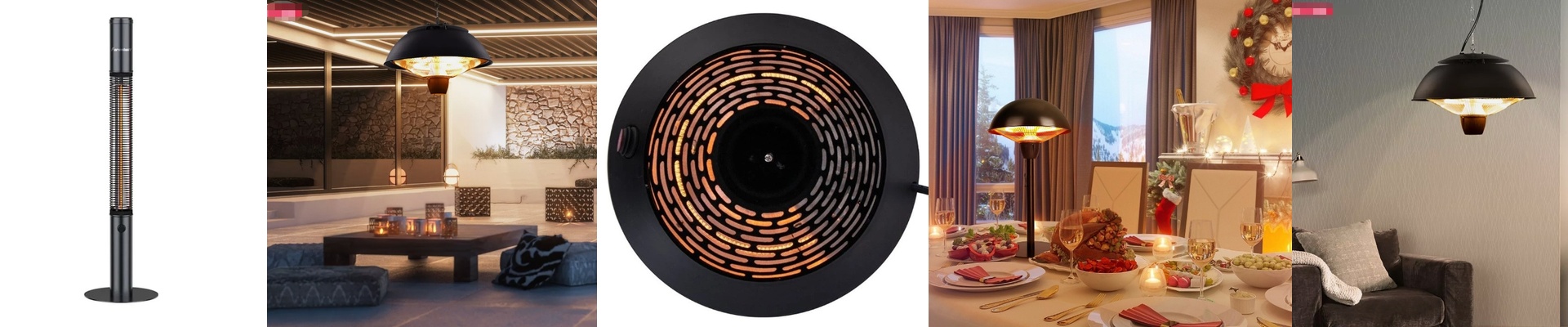
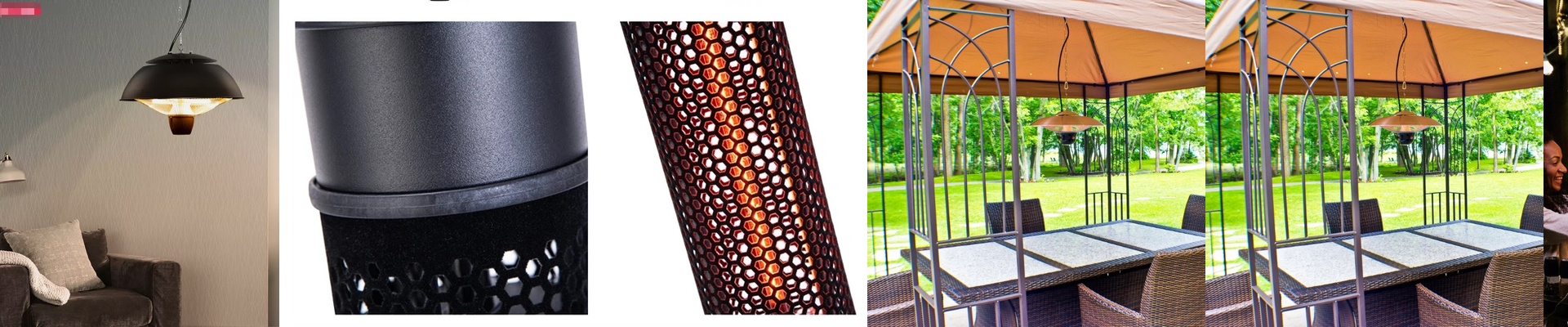
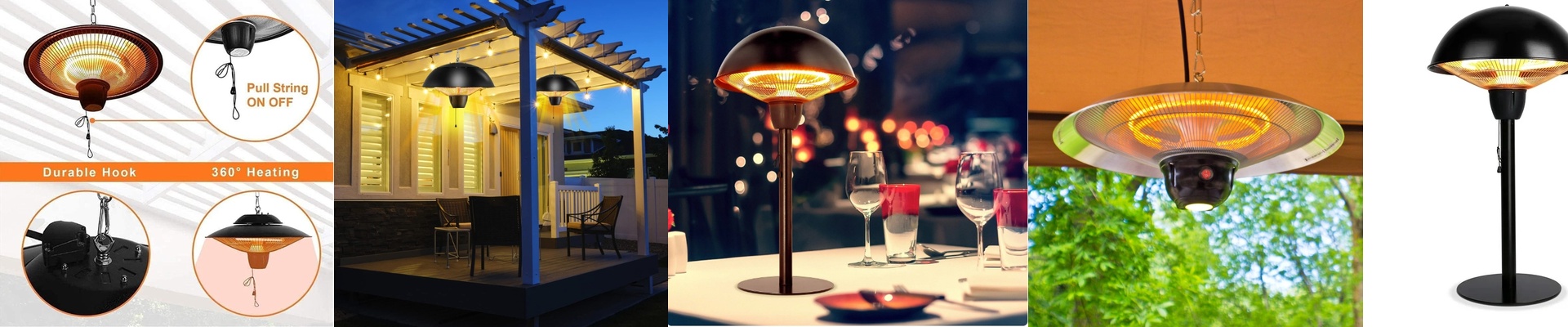

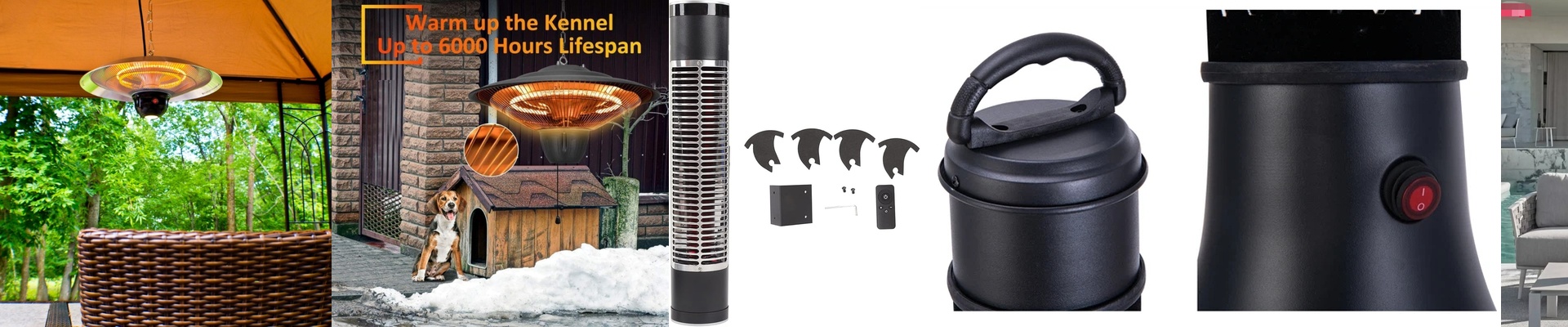
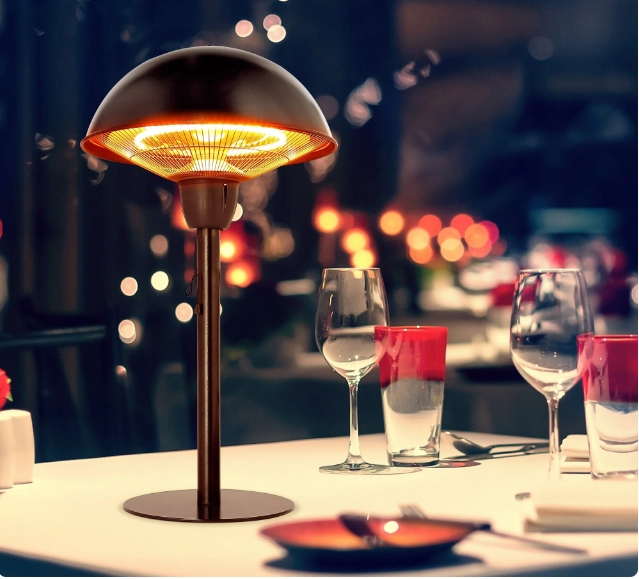
Step into a retail store on a sharp morning and watch the first customers linger near the doorway, shoulders tight, moving slowly as the chill settles in. When the heat doesn’t show up, the room shrinks, the pace drags, and comfort falls apart. That’s exactly why we build our retail infrared heaters the way we do—warmth that lands like a patch of sunlight: immediate, aimed where you need it, and genuinely soothing.
What matters, technically
We lean on short-wave infrared technology. It warms surfaces first, the same way the sun does—not the air. The heart of it is a carbon fiber element inside a quartz tube, chosen because it heats fast and delivers steady radiant output. In real life, you feel the warmth within seconds, not minutes, and it holds steady instead of cycling on and off. A built-in thermostat keeps the temperature consistent, and tip-over protection shuts the unit off if it’s accidentally knocked over. For stores, the heater runs quietly, plugs into a standard outlet, and puts focused warmth right where people gather.
Why it fits retail
In a retail space, comfort isn’t a luxury—it’s part of the experience. Infrared warmth hits joints and muscles directly, so the stiffness cold air brings starts to ease. Because the heat is radiant, it doesn’t dry out the air, and it doesn’t kick up dust the way forced-air systems do. Shoppers relax, circulation picks up, and the place feels calmer and more welcoming. Staff feel it too—less fatigue, fewer complaints, and fewer requests to keep adjusting the thermostat. That sun-like warmth helps people stay longer, browse more comfortably, and come back more often.
The practical details
Infrared heaters do their best work when you aim them at the spots that matter—checkout lines, entry areas—and pair them with decent insulation and door seals. They warm people and objects directly, so a few feet away the air can feel a bit cooler. Plan mounting height and angle to match foot traffic, and keep clearances clear for safety. For the best results, match the wattage to the square footage and use multiple units so you don’t end up with cold spots.