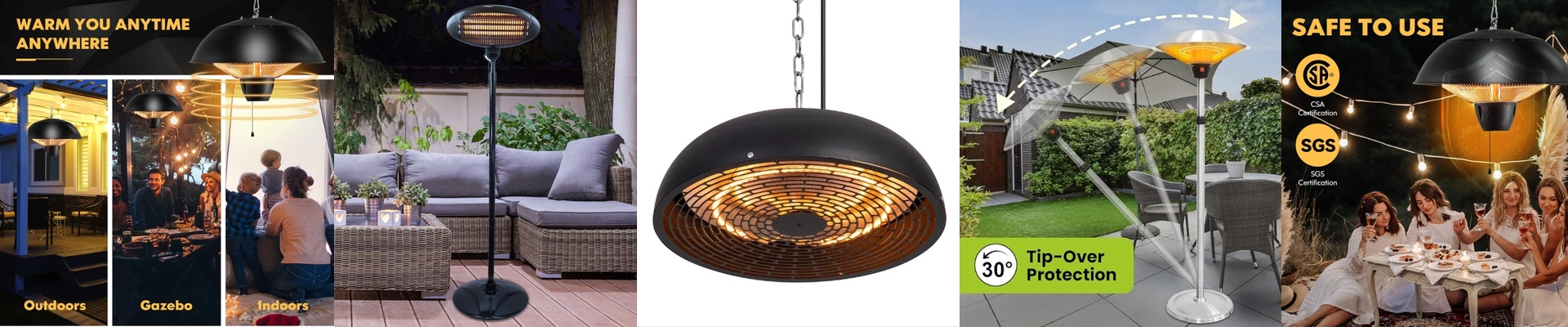
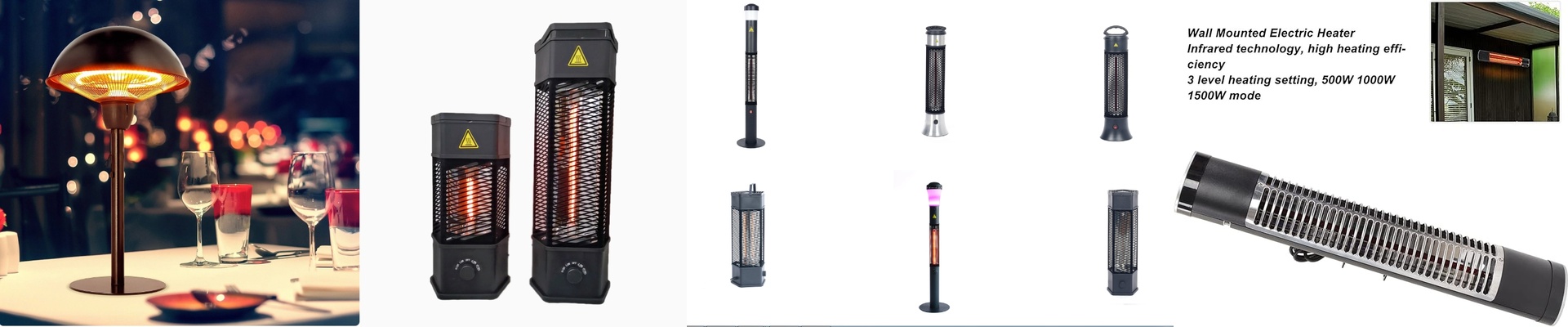
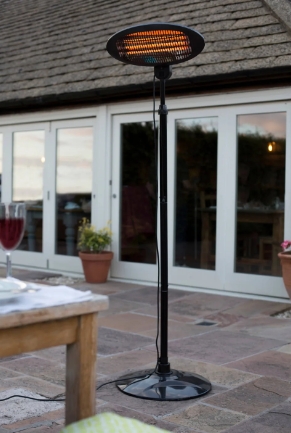
Out here on an off-grid homestead, the sun sets the schedule and the night calls the shots. When the mercury drops, the question isn’t just how warm you can get—it’s how much of that warmth you can make on your own terms. Pair infrared heaters with a solar photovoltaic setup, and you can push your energy independence much further than most folks assume.
What matters under the hood
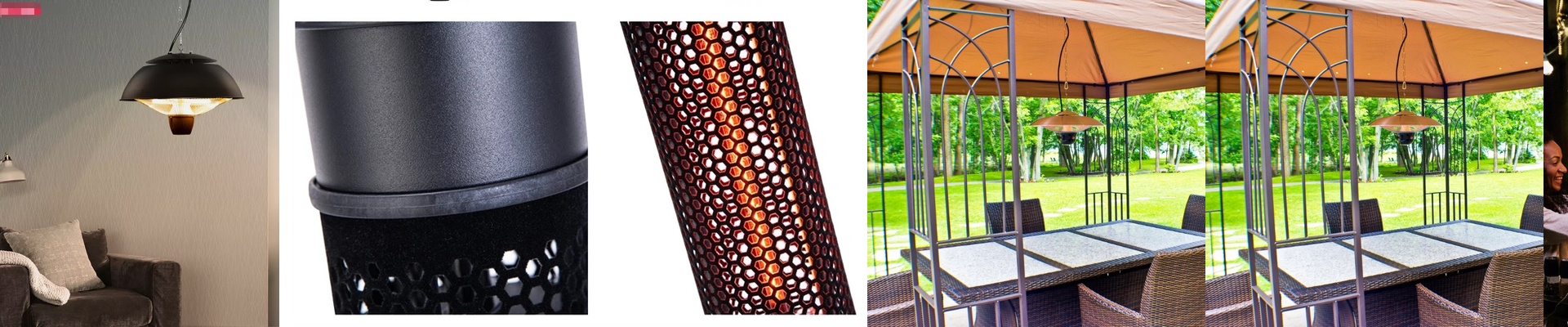
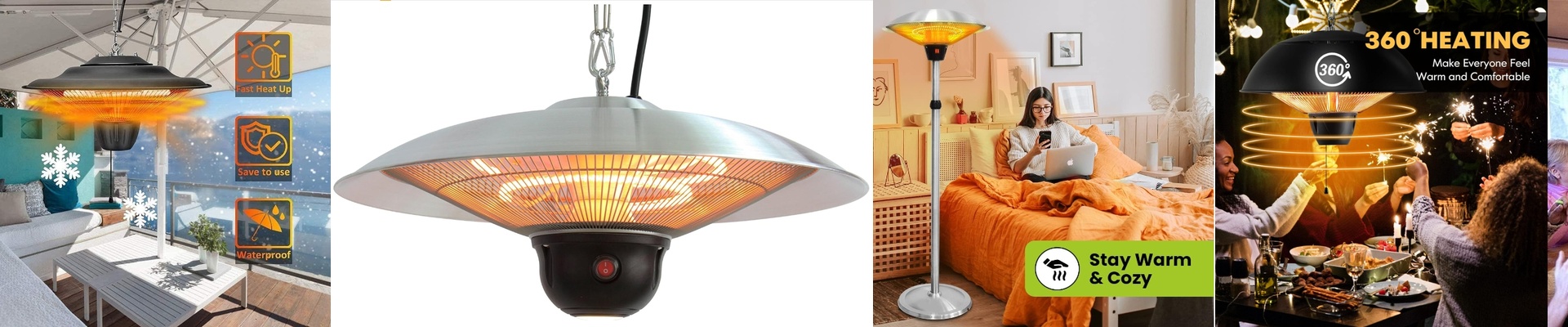
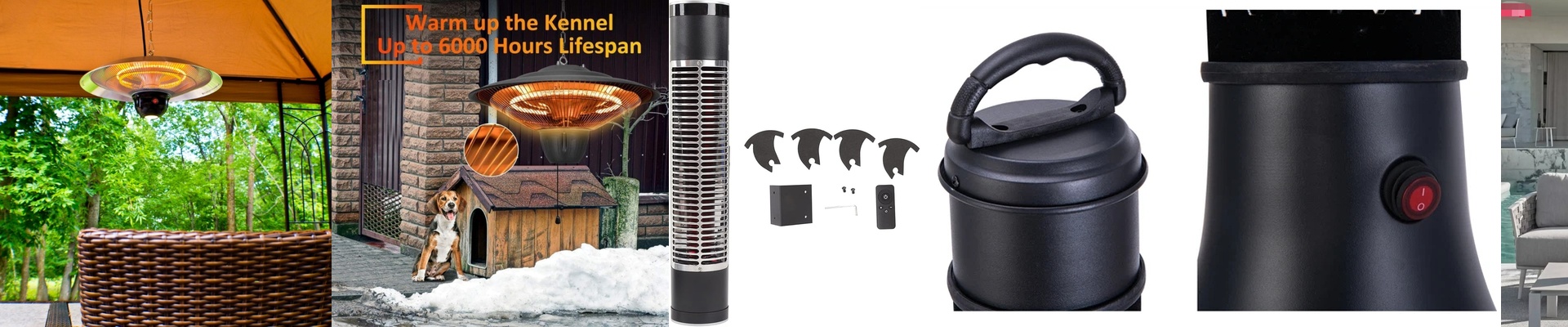
Infrared heaters warm people and surfaces directly, not the air. That cuts down on draft losses and gets you that “ah, there it is” feeling a lot faster. Many models run on standard voltages and will work behind a DC-to-AC inverter. **Go for an efficient emitter—quartz tube or carbon fiber—because it turns electricity into radiant warmth with minimal fuss.**Look for a unit with a built-in thermostat and safety protections like a tip-over cutoff. For outdoor or workshop use, an IP rating tells you how well the electronics are sealed against moisture and dust.
Why this pairing makes sense
Solar PV makes power when the sun is up, and off-grid living is about matching supply to what you actually need. Infrared heat is a smart load because it delivers comfort quickly, so you can run it during peak sun hours and keep the battery bank in balance. In practice, a properly sized solar system can often cover the daily energy use of a typical infrared heater—especially if you’re heating targeted spaces instead of trying to warm the whole house. The payoff is a place that stays livable when the grid is out of reach, without the anxiety of burning through propane or diesel.
The practical details you can’t skip
Solar and infrared do work together, but sizing is where people get tripped up. Add up the heater’s wattage, the hours you plan to run it, and your inverter efficiency, then match that against your panel output and battery capacity. Most infrared heaters need a stable supply; voltage swings can hurt performance. If you want to run through the night, plan on extra battery capacity or a tighter heating window. And remember: infrared warms what it shines on, so aim the heater for clear line-of-sight coverage. You’ll feel the difference the moment you get the angle right.