

Keeping Your Class 100 Cleanroom Actually Clean
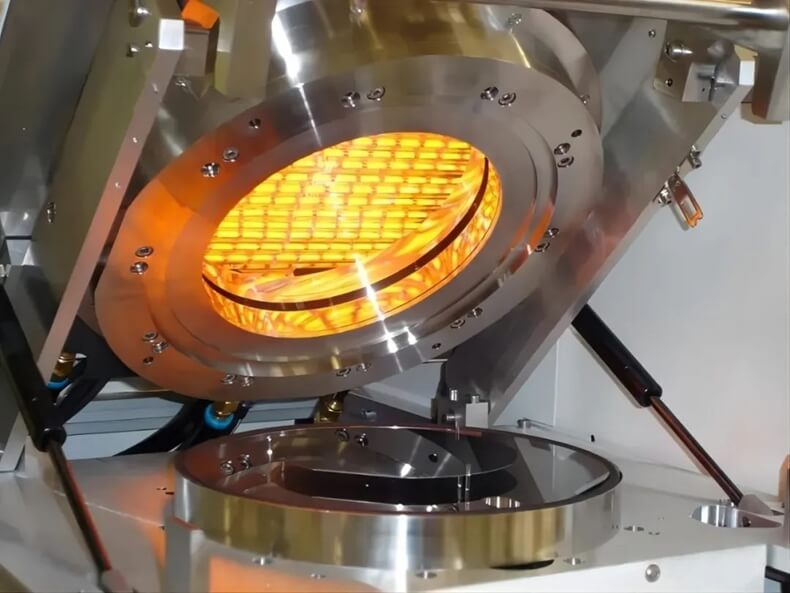
If you’re running a Class 100 environment, you already know the nightmare of particulate shedding. One tiny flake from a heating element and your whole batch is toast. Most standard heaters just aren’t built for this—they outgas or start peeling the second they hit a thermal cycle. That’s why we stick with high-purity synthetic quartz IR lamps. Why the quartz matters Here’s the thing: we use a high-grade fused silica. It’s tough. While cheap glass or coated tubes tend to break down and shed microscopic bits when they get hot, this stuff stays put. It stops that “dust rain” from landing on your wafers or optics. Because when you’re working at this level, “almost clean” isn’t good enough. Heat that hits hard and fast Our lamps are built for speed. We pack the tungsten filament into a vacuum-sealed quartz envelope to give you direct radiant heat. The best part? You don’t have to blow hot air around the room. Anyone who’s worked in a cleanroom knows that blowing air is just a fancy way of kicking up floor dust. This is way cleaner. We can tweak the wattage and voltage to fit whatever power grid you’re using. But a word of caution: those high-wattage shortwave lamps getintense. If you don’t get your cooling fans and shielding sorted, you’re going to bake your sensors and wiring. Trust me on this one. Getting them installed We use standard connectors like R7s or SK15, so you can just swap them into your current setup without a headache. Plus, since the quartz is chemically inert, you don’t have to worry about it reacting with your cleaning agents. One last tip if you’re working in a tight space:check your wires. These lamps run hot. If your lead wire insulation isn’t rated for that kind of heat, it’ll melt. Stick with PTFE or fiberglass braided leads. It’s a small detail, but it’s the difference between a smooth run and a short circuit that shuts down your entire production line.