
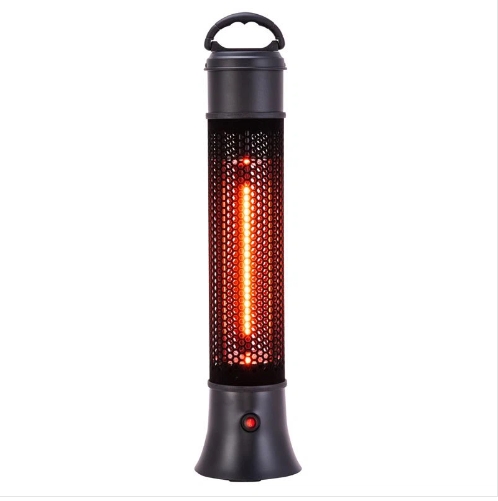
Keeping Your Bathroom Infrared Heaters from Shorting Out
Putting infrared lamps in a bathroom is basically a fight against steam. Water is a nightmare for electricity—it turns air into a conductor and creates paths for current to go exactly where it shouldn’t. If you try to use a standard workshop housing, you’re asking for trouble. You’ve got to be way more intentional about how the lamp hits the socket and how the whole thing is sealed. Dealing with the Damp Here’s the thing: when your bathroom gets steamy, a thin film of moisture settles on everything. This leads to “surface tracking,” where electricity just crawls across the insulator. To stop that, we stick with high-grade ceramics or reinforced silicone gaskets at the connection points. They stay stubborn and resist electricity even when they’re totally soaked. But look, no seal is perfect. That’s why you absolutely need a GFCI or RCD in your wiring. It’s your safety net. If a seal fails, the power cuts before something bad happens. The Gear You Actually Need Forget those basic IP20 heaters. They’ll give up almost immediately. You want at least IP44, but if the heater is anywhere near a splash zone, go for IP65. Materials matter here, too. Rust is the enemy of a good ground connection, so stick with powder-coated aluminum or stainless steel. We also use sealed cable glands. Think of them as gatekeepers that stop steam from sneaking into the internal wiring. The Big Trade-off: Heat vs. Water Now, here is where it gets tricky. You want a tight seal to keep the water out, right? But if you seal the electronics too tight, the heat has nowhere to go. You end up baking your own driver or melting your connections. It’s a balancing act. You need a solid heat sink or a chassis that lets the unit breathe without letting drips get inside. If the internals get too hot, your wire insulation gets brittle and cracks. And guess what? That actually makes a short circuit more likely. Before you start wiring, just double-check your wire gauges and make sure the insulation can handle the heat. It’s a small step that saves a lot of headaches later.