

Why Your Bathroom heater Actually Needs to Be Waterproof
Ever notice how those basic heat lamps in the bathroom just… stop working? Or maybe they flicker and die after a few months. Here’s the thing: most of those old-school heaters aren’t built for actual steam. They have these cheap enclosures that let moisture sneak right into the electrical parts. It’s not about making the bathroom look fancy. It’s about the physics of steam. When you’ve got a room full of hot mist, that moisture is looking for any way in. If it hits the electrical contacts, you’re looking at short circuits or corrosion.
The real deal with waterproofing
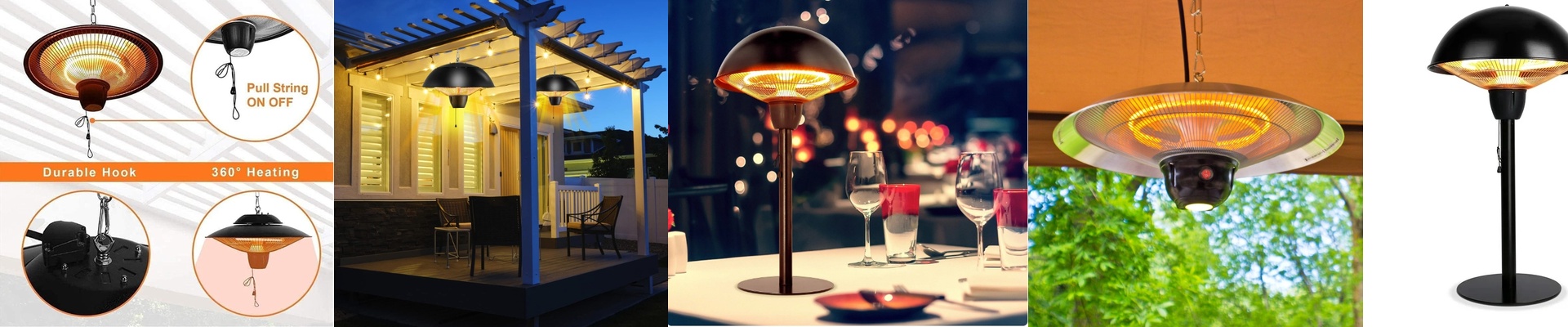
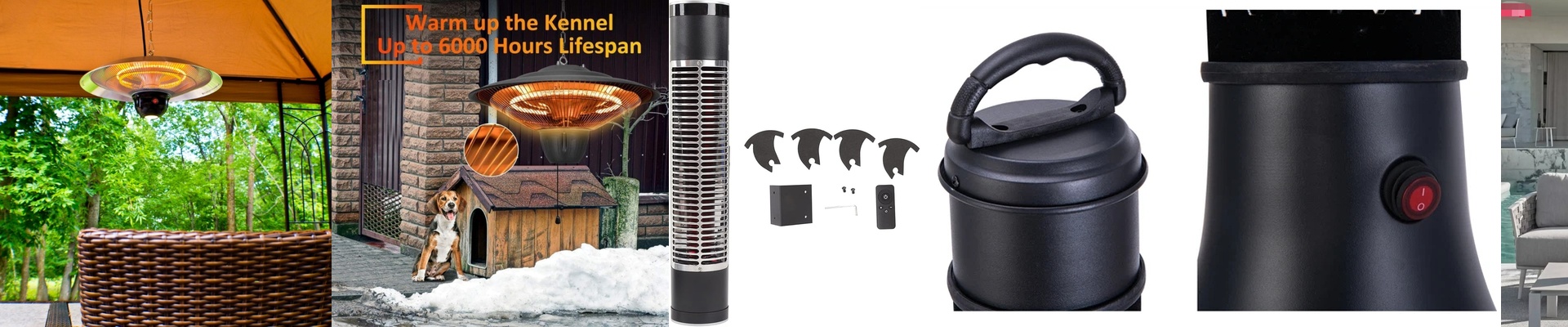
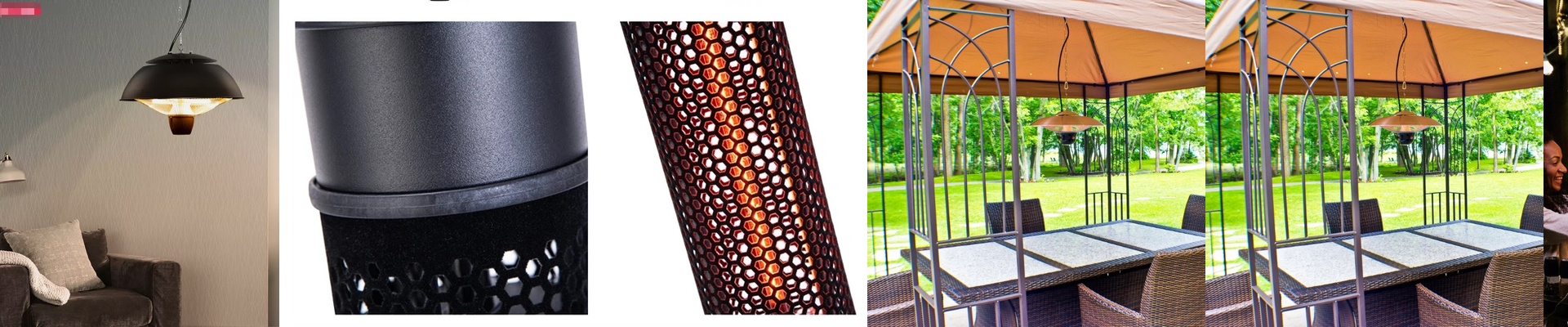
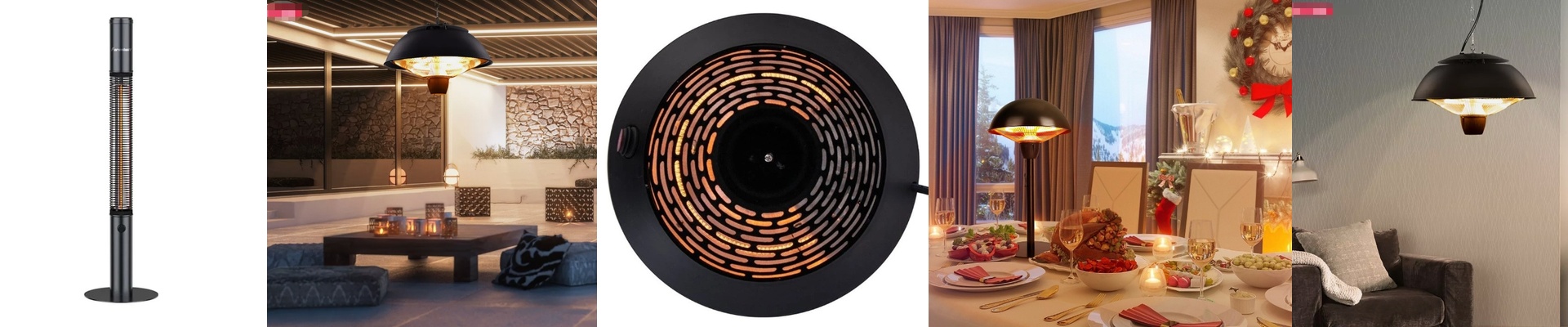
Most standard heaters have a low “IP rating,” which is just a fancy way of saying they leak. When a tiny drop of water hits a scorching hot quartz tube, the glass can actually crack from the shock. That’s why we’ve shifted to high-spec waterproof radiant heaters. These use heavy-duty sealed gaskets and special coatings (IPX4 or better) to keep the water out. It means you can have a steamy shower without worrying about the hardware failing overhead. And the best part? We use short-wave infrared. Unlike those heaters that try to warm up all the air in the room—which takes forever—these beam heat directly onto you. You step out of the shower and feel the warmthinstantly. No more shivering while you wait for the room to catch up.
A few things to keep in mind
Now, you can’t just swap these out like a lightbulb. Because they’re more powerful, you’ll need to make sure your wiring can handle the wattage so you aren’t constantly tripping your breakers. Also, keep in mind that these units are a bit bulkier. To get that high waterproof rating, the housing needs more “meat” to it. Just make sure your ceiling can support the extra weight and that there’s enough breathing room in the ceiling cavity so heat doesn’t get trapped up there.
Why bother switching?
Cheap halogen lamps are basically designed to burn out the moment moisture hits the glass. They’re frustrating. These waterproof infrared units are built to take a beating. They stay consistent, they don’t flicker, and they don’t degrade nearly as fast. Plus, if you hook them up to a timer, you aren’t wasting money heating an empty room. You get the warmth exactly when you need it, and then it’s off. Simple.