
Why Your Bathroom Heater Keeps Dying (and How to Fix It)
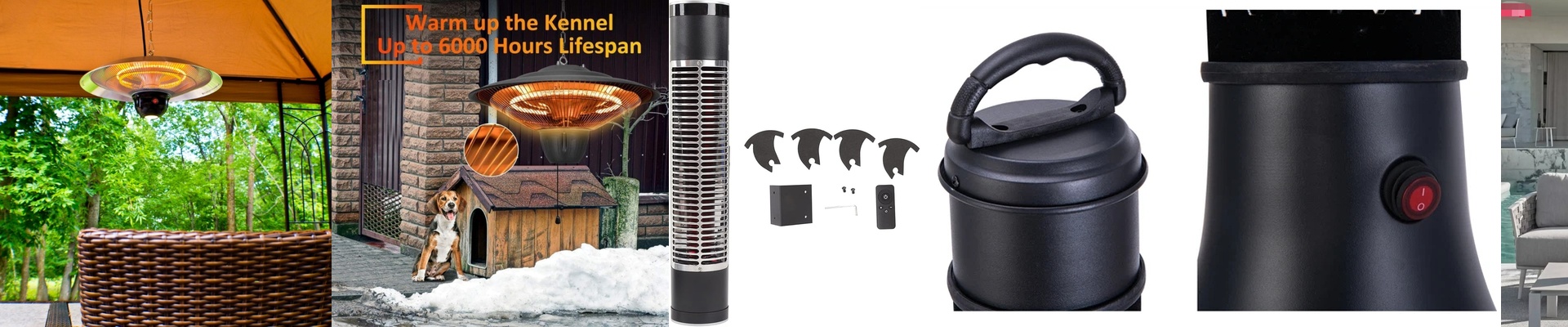
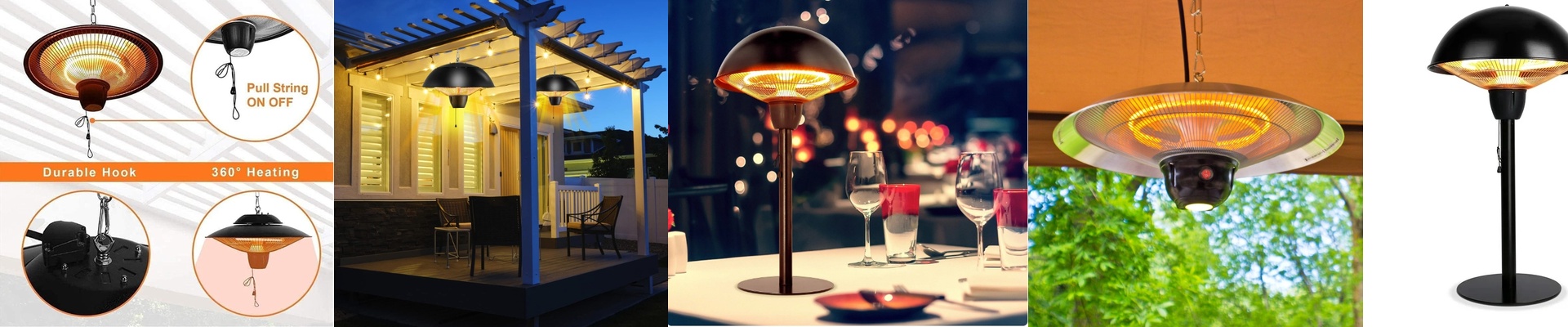
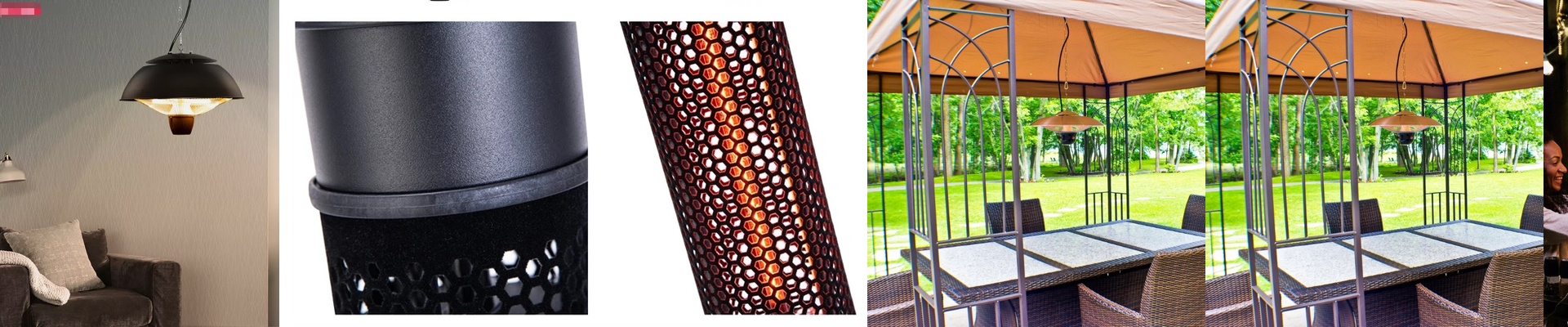
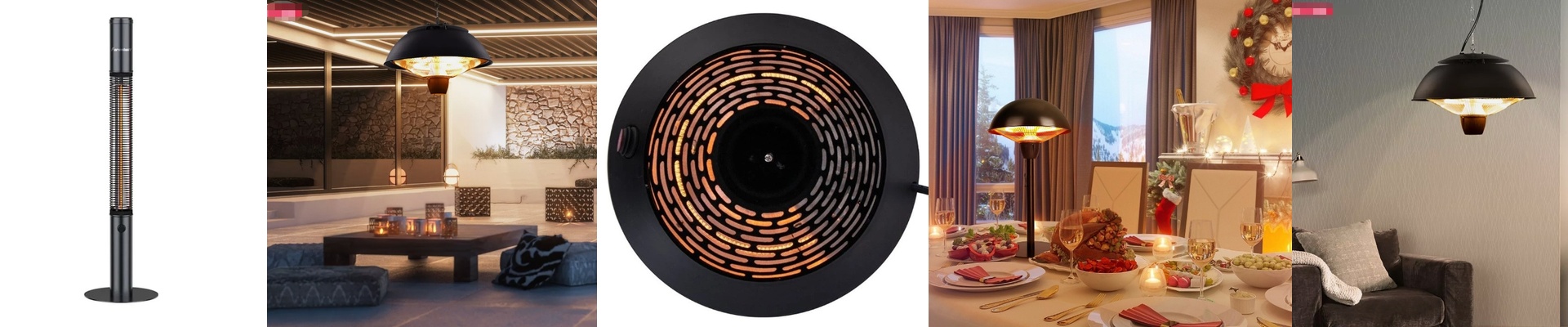
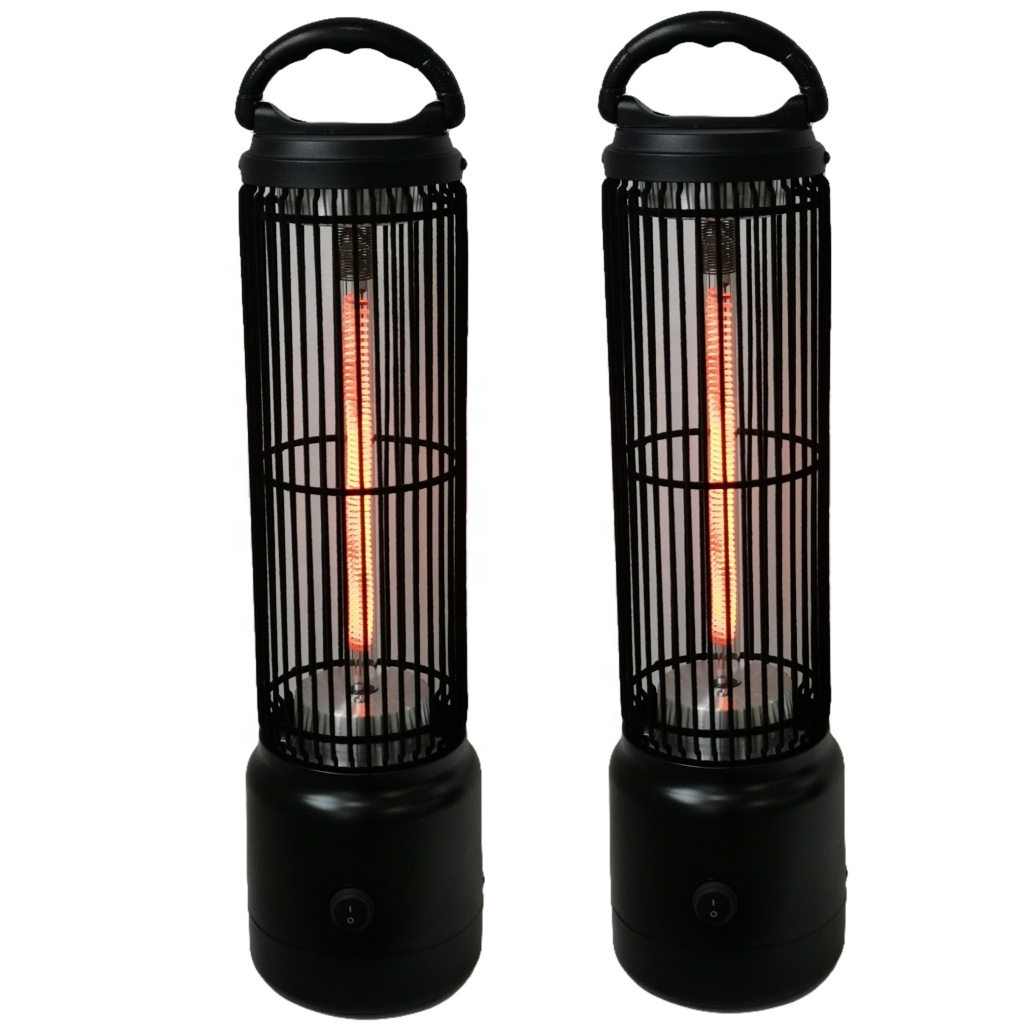
Ever noticed how those old-school halogen heaters always seem to give up the ghost right when you need them most? Usually, it’s because they just aren’t built for the bathroom. Between the steam from your shower and the occasional stray splash, humidity gets inside the unit, eats away at the wiring, and—pop—your heater is toast. That’s why we’ve been moving toward IP65-rated infrared heaters for most of our bathroom renos. What’s the deal with “IP65”? Basically, it’s a fancy way of saying the unit is sealed tight. It keeps dust out and handles water jets from any angle without breaking a sweat. In a steamy bathroom, moisture loves to find a way into the internal contacts. When that happens, you get oxidation and short circuits. By sealing off the heating elements and the terminals, we keep the water away from the live parts. It means you aren’t replacing a “cheap” heater every single winter. The magic of infrared Most heaters try to warm up the air. But in a big, open bathroom, the heat just floats up to the ceiling while you’re still shivering. Infrared is different. It doesn’t care about the air; it sends out waves that heat you and the surfaces around you directly. You feel it the second you flip the switch. No waiting around for the room to warm up. We use quartz tubes or carbon fibers for this. They’re tough. Unlike standard glass, these materials can handle the shock of going from freezing to boiling in a split second without cracking. A couple of things to watch out for Before you go buying one, just a heads-up on the install. These things pull a lot of power to get that instant heat, so you can’t just plug them into a power strip or an extension cord. You’ll need a dedicated circuit, or you’re going to be tripping your breakers all morning. Also, remember that while the insides are protected from water, the outside still gets hot. Make sure you mount it high enough so nobody accidentally brushes against the housing while it’s running.