
How to Pick the Right Wattage for Your Bathroom Heater
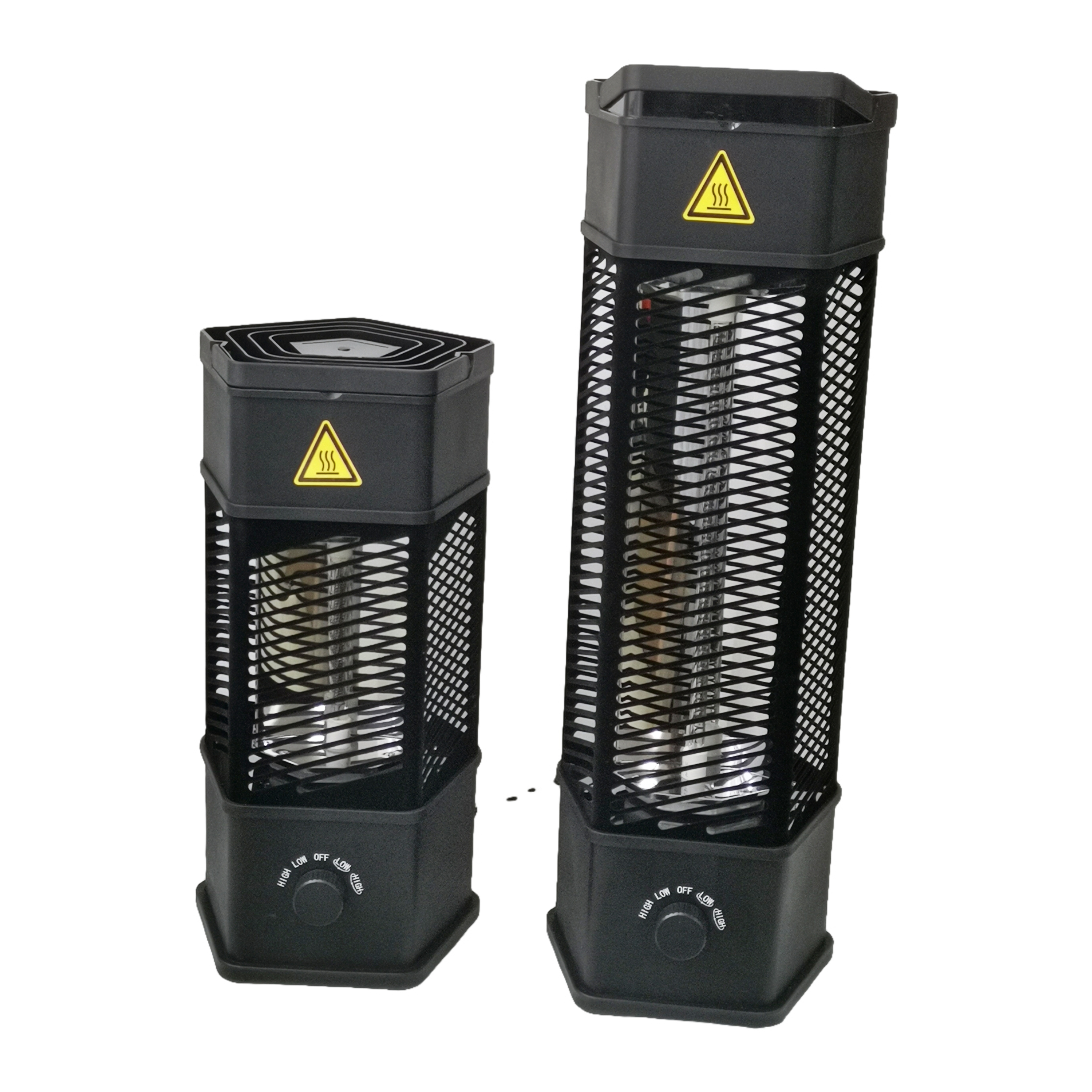
When you’re picking out an infrared heater for the bathroom, your first instinct might be to just go for the biggest number on the box. But here’s the thing: more power isn’t always better. It’s really more about how much space you’re trying to warm and what your walls are made of. Our heaters are IPX5-rated, which is just a fancy way of saying they can handle water splashes without a problem. But if you want to actually save money on your electric bill, you’ve got to get the wattage right. Sizing it up If you’ve got a tiny powder room—something under 4m²—you don’t need a powerhouse. A 400W to 600W lamp usually does the trick. If you go overboard here, you’ll end up with these annoying “hot spots” that make the room feel uneven and wasteful. For those medium-sized bathrooms (around 5-8m²), 800W or 1000W is the sweet spot. Now, if you’re dealing with a massive master bath, don’t just buy one giant heater. It’s much better to put a few lower-wattage units across the ceiling. That way, you aren’t freezing on one side of the room while roasting on the other. Why it feels different Because these are built for bathrooms, the housing is sealed tight to keep water out. This changes how the lamp “breathes,” so we use specific quartz glass and reflectors to beam the heat straight at you. It’s short-wave infrared. This means it doesn’t waste time heating up the air in the room—it warms you directly. It’s a great feeling. Even if there’s a draft or a window cracked open, you feel that warmth the second you step under it. A quick word on your wiring Higher wattage gets you warm faster. That sounds great, but pushing 1200W+ through your ceiling can put a lot of stress on your electrical circuit. Nobody likes a tripped breaker in the middle of a shower. If you’re updating an old bathroom, sticking to a mid-range wattage is usually the smartest move. It saves you from having to rip open your walls for a costly electrical overhaul. Just match the power to your square footage. And if you really want to keep the costs down? Toss in a timer or a motion sensor. That way, the heat cuts off the moment you leave the room. Simple.