
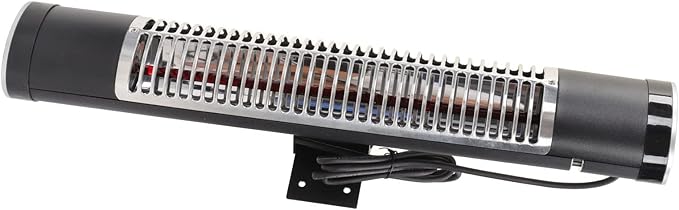
Stop Replacing Your Entire Heater Just Because One Part Died
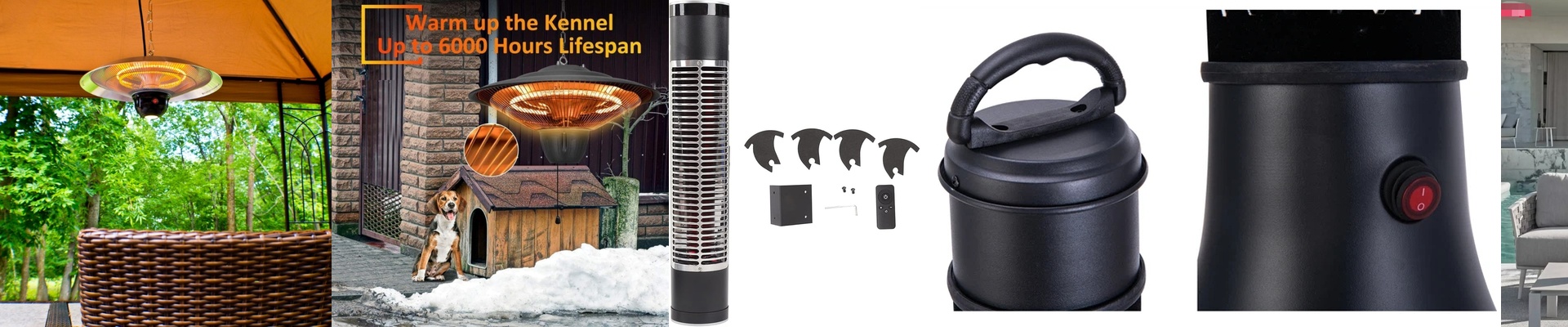
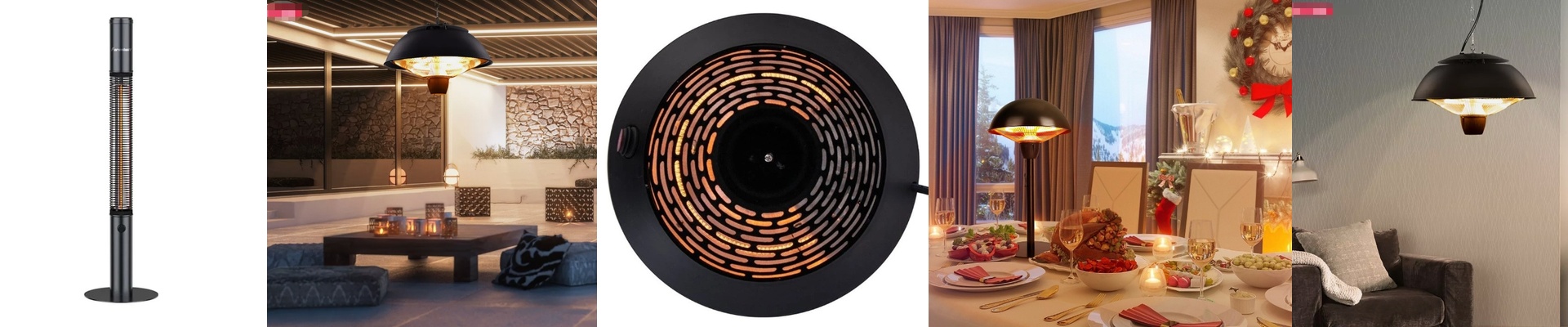
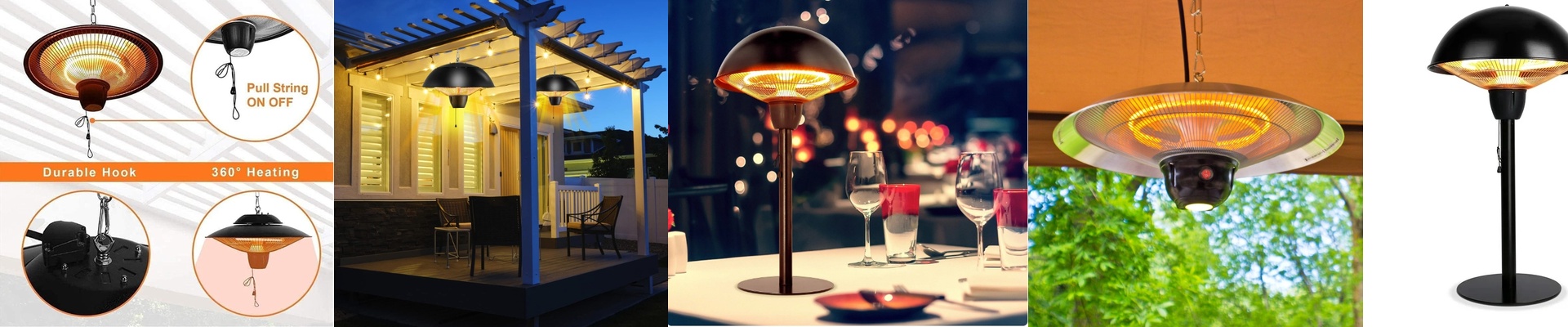
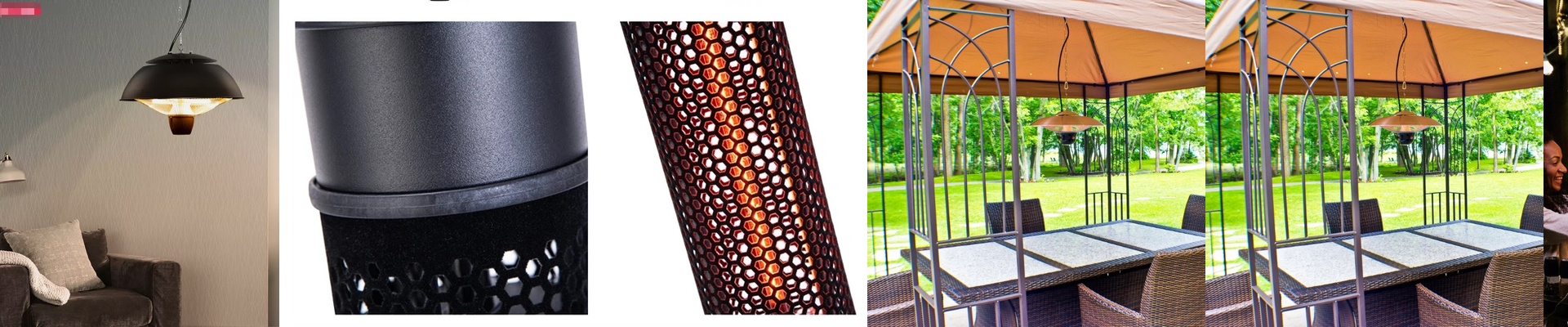
Here is the problem with most outdoor heaters: they’re built like vaults. An IP66 rating is great for keeping rain and dust out, but it usually means the whole thing is sealed shut. So, when a heating element finally burns out—which it will—you’re stuck. You either spend hours fighting with the housing to get inside or, more likely, you just throw the whole unit in the trash and buy a new one. It’s a waste of money and a total headache for whoever has to fix it. A better way to build it We decided to stop fighting the seal and just change how the internals work. Instead of a permanent, sealed block, we went with a modular chassis. Think of the infrared emitter as a plug-and-play part. We designed the mounting brackets so the heating modules just slide into a fixed track and lock right in. No rewiring the main board. No ripping apart the weather seals. You just slide the dead tube out, drop a new one in, and you’re done. A job that used to take a whole afternoon now takes a few minutes. The honest trade-off Now, look—nothing is perfect. When you move from a welded assembly to a modular one, you create more connection points. In the wrong hands, that could be a weakness. To fix that, we used reinforced gaskets and fasteners that don’t shake loose. The only “catch” is that you have to make sure those locking clips actually click into place. If they aren’t seated firmly, you’ll lose heat through the housing, which defeats the whole purpose. Why this actually matters At the end of the day, your heater’s lifespan shouldn’t be tied to a single quartz tube. By separating the heating element from the outer shell, you keep the weatherproofing intact while swapping out the parts that naturally wear down. You get the system back online fast, your maintenance bill stays low, and you aren’t tossing a perfectly good chassis into a landfill just because one lamp gave up.