



Stop Heating Your Ceiling: A Better Way to Warm Up the Shop
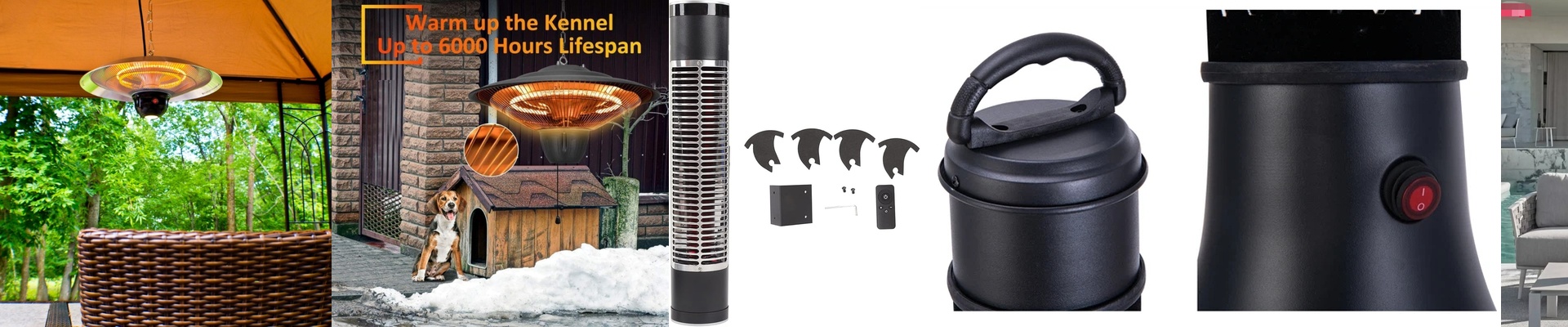
Trying to heat a factory with high ceilings is basically a losing battle. If you’ve ever used forced-air systems, you know the drill: all that expensive heat just floats straight up to the rafters, while you’re still shivering on the shop floor. That’s why we lean on infrared (IR) radiators. Instead of trying to warm up every cubic inch of air, these things beam heat directly onto the people and the equipment. It’s a completely different feel. Making the system “smart” Now, you could just flip a switch, but that’s not really efficient. To get that “instant spring” feeling in a freezing warehouse, we hook these IR arrays up to a smart network. We scatter ambient temperature sensors and occupancy detectors around the floor. The second someone walks into a zone, the lamps kick in at full power. There’s no waiting around for the air to warm up. You just feel the heat hit you immediately. How we actually build it To make this work, we use relays or PWM controllers. Think of these as the bridge that lets a low-voltage smart controller talk to the high-voltage heating elements. This means you can run the whole thing from an app or a central PLC. Plus, you can carve the floor into different zones. For example, the loading dock only gets heat when the bay doors are actually open, while the assembly line keeps a steady, comfortable warmth all day. The catch (because there’s always one) Cutting energy waste is great, but adding tech means adding things that can break. You’re now relying on your network. If your Wi-Fi or Zigbee mesh decides to take a nap, your automated schedule goes with it. I’ve learned the hard way:**always install a manual override switch on the floor.**It’s a simple piece of plastic and wire, but it ensures the plant stays running even if the network crashes. Why it’s worth it The best part? You stop babysitting the thermostat. You get pinpoint control over exactly where the heat goes. Instead of paying a fortune to heat a massive volume of empty air, you’re only paying for the spots where your team is actually working. It’s just a smarter way to handle the winter.