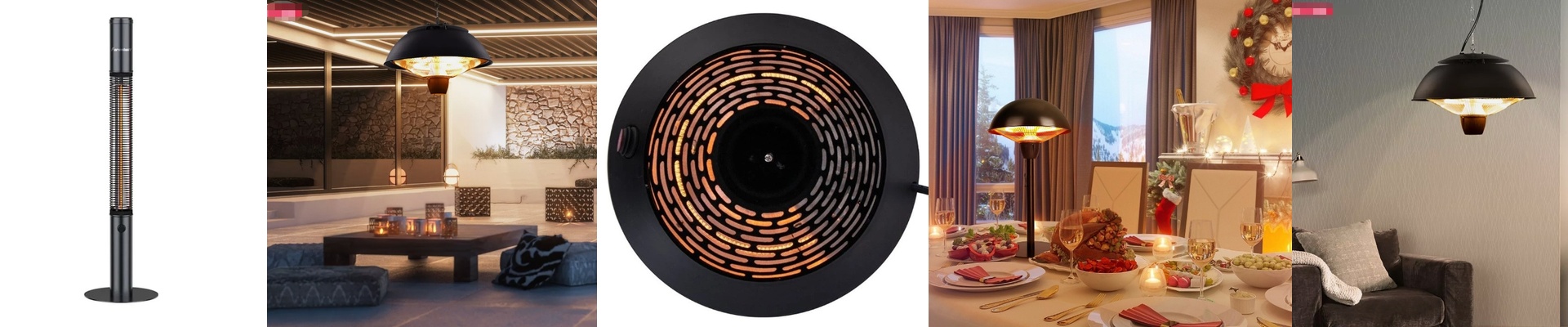
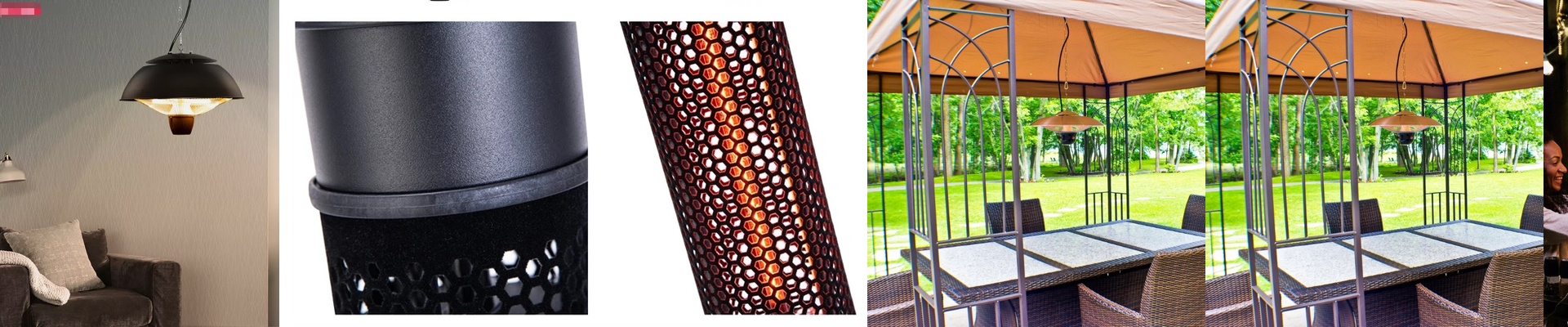

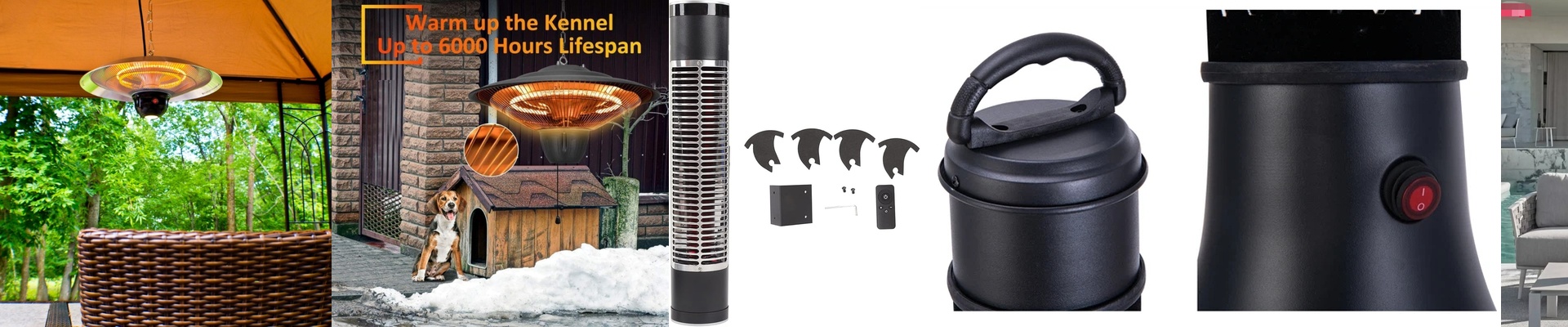
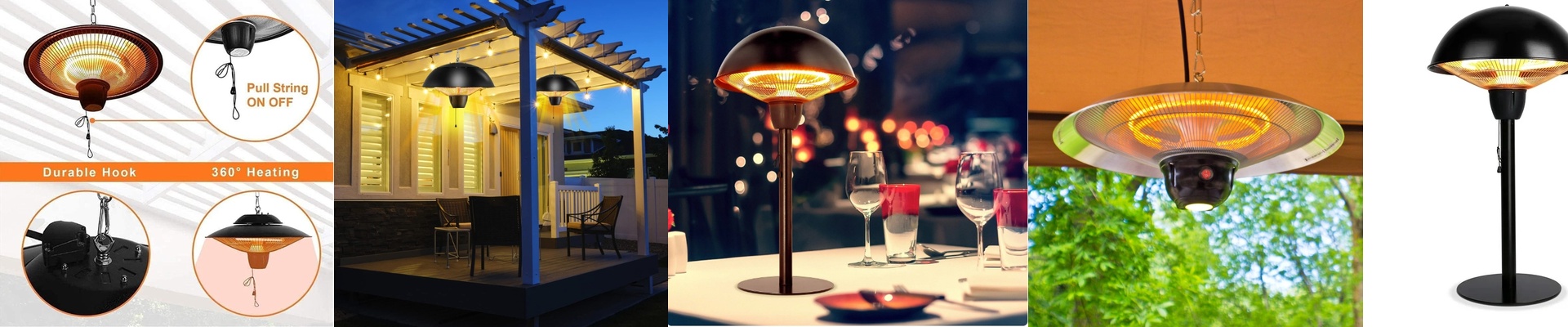

On the lithography floor, soft bake temperature isn’t a preference—it’s a hard boundary. You need repeatable solvent removal, edge to edge, across every wafer. A few degrees of drift, a hot spot, and your CD control falls apart. We built the heating element to live inside that boundary, and to stay there, day after day. What matters, technically The element is short-wave infrared (NIR), quartz-halogen. That gives you fast thermal response and tight control at the bake station. Target temperature holds at ±0.1°C uniformity across the wafer plane, so the thermal budget lands the same on every shot. Cleanroom compatibility is built in: Class 1–100 compliant materials, zero particle generation during operation, and a surface finish that keeps defects down. Reliability comes down to uptime. These units run 24/7 in multi-node lithography stacks with no unplanned downtime, and life is validated beyond 5,000 hours with minimal output drift. Why it works where it counts Soft bake sets photoresist stress, viscosity, and adhesion. With this element, solvent evaporation is consistent, edge-bead issues drop off, and overlay yield improves on advanced nodes. The fast ramp cuts cycle time at the coat/bake cell, and stable temperature means less scrap and rework. Energy use comes down because the thermal mass is low and the control loop is tight. Fewer replacements also mean fewer spares and less maintenance touch time—especially in high-mix fabs. What you need to know It’s a direct, validated equivalent to international semiconductor equipment standards, but integration isn’t plug-and-play. Voltage, connector interface, mounting tolerances, and airflow around the bake plate have to line up—misalignment or poor cooling will eat your uniformity. Work with our process team on the exact chamber footprint and thermal profile before you swap it in, and run a short qualification lot to lock the recipe.