

Cutting Carbon in the Fab: Why IR Heating Actually Works
Let’s be honest: semiconductor fabs are absolute energy hogs. If you’ve spent any time on the floor, you know the drill. Most of the old-school clean room gear relies on resistive heating or these clunky thermal cycles that just bleed energy into the room. It’s wasteful. That’s why we’re seeing a real push toward Short-Wave Infrared (SWIR) systems. It’s a smarter way to shrink the carbon footprint without killing your output.
Why the physics matter
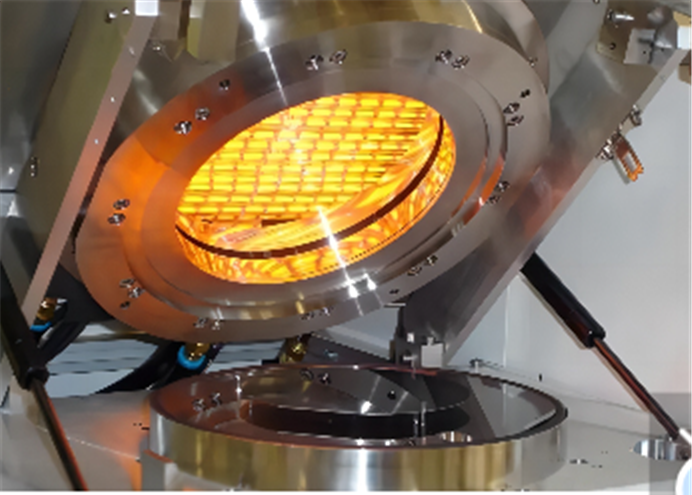
Here is the thing about conventional heating: it’s clumsy. It tries to warm up the air or the chamber walls before the heat even touches the wafer. That’s just wasted electricity. IR lamps are different. They go straight for the substrate. By hitting the material’s specific absorption band, you slash the ramp-up time.**It’s fast. Really fast.**And because the heat-up cycles are shorter, your machines aren’t sitting there drawing peak power for half the day.
Fitting it into the clean room
Nobody wants to tear out an entire tool just to upgrade a heater. It’s a nightmare. We design these lamps to slide right into the existing footprint. To keep the heat density high without making the lamp huge, most of these high-output tubes run on higher voltages. It keeps things compact. But there is a catch. You have to watch your cooling. A high-density IR array pushes a ton of thermal energy into the workpiece, but some of that heat bounces back into the tool housing. If your chillers aren’t up to the task, you’re going to trigger a thermal shutdown. And nobody wants to deal with a dead line on a Tuesday afternoon.
The real-world impact
When you switch to IR, your kilowatt-hours per wafer go down. It works great as a drop-in replacement for curing and drying stages. The biggest win? Throughput. When you can take a 10-minute bake cycle and knock it down to 2 minutes, your carbon output per unit drops right along with it. Of course, there’s a trade-off. High-intensity IR tubes don’t live as long as those old resistive coils. You’re basically trading lower energy bills for a more frequent maintenance schedule. It’s a bit more work on the upkeep, but the energy savings usually make it a no-brainer.