

Why Gold-Coated Reflectors Actually Matter for Your IR Setup
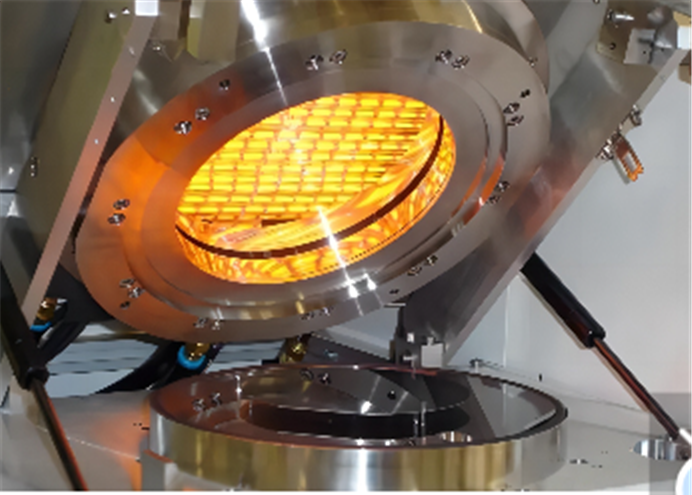
In a semiconductor fab, wasting energy is basically wasting time. If you’re running a curing lamp, a massive amount of that infrared energy just drifts backward, heading everywhere except where it needs to go: the wafer. That’s where gold-coated reflectors come in. They stop the bleed. Why gold? It’s not about looking fancy. Gold just happens to be incredible at bouncing back near-infrared light. Aluminum does a decent job, sure, but gold pushes things further. It makes sure almost every single watt you pay for actually hits the wafer. By focusing that energy into a tight beam, you get a much higher heat flux. This means you hit your target temperatures faster. And the best part? You don’t have to crank the voltage up to some scary level just to get the job done. Dealing with the heat High-wattage IR lamps get hot. Really hot. When you’re setting up a fab line, you’re always playing a balancing act between power density and your cooling system. Gold coatings give you a bit of a shortcut. You can hit the same surface temperatures as a standard lamp but with lower overall power consumption. It keeps your chassis from turning into an oven and stops the surrounding housing from overheating. It just runs cooler. The catch (because there’s always one) Gold is expensive. And it’s finicky. One fingerprint or a tiny smudge of oil on that surface creates a “cold spot.” Suddenly, your curing is uneven across the wafer, and you’ve got a problem. You’ll need a rock-solid cleaning routine and some specific mounting brackets so you don’t scratch the coating while you’re installing it. If your process can handle a 5-10% dip in efficiency, just go with aluminum. It’s cheaper and easier. But for high-precision work where uniformity is everything? Gold is the way to go. Just wire it up right, keep it spotless, and you’ll get every bit of performance out of your power supply.