

Getting Heat Right in the Modern Fab
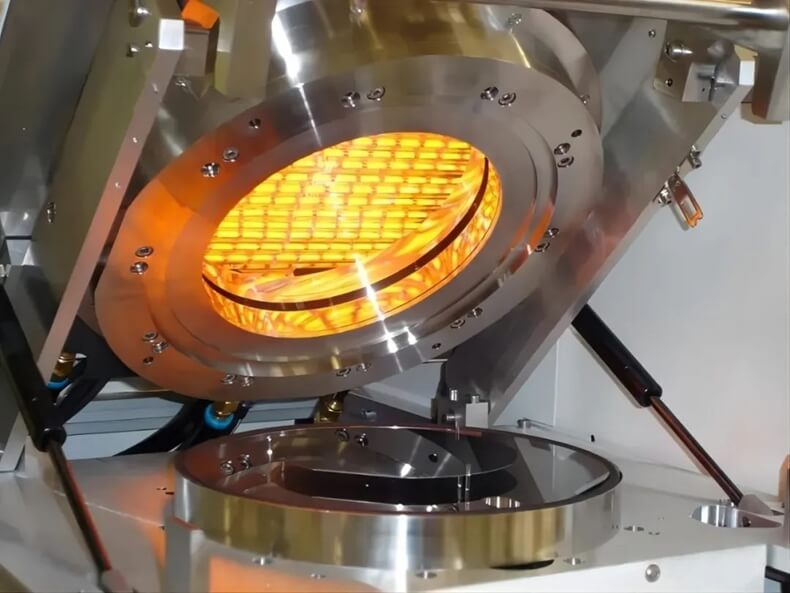
If you’re planning a next-gen fab, you’ve probably realized that the old way of handling heat just doesn’t cut it anymore. That’s where UHP infrared heater lamps come in. They’ve become the go-to for a reason: they give you a level of control that old-school resistive heaters can’t even touch.
Why switch to Infrared?
Here is the thing about digital production: you need things to happen now. IR lamps don’t waste time heating up the air in the chamber. Instead, they shoot radiant heat straight at the wafer or substrate. It’s fast. Really fast. When your PLC tells the system to shift temperature, the lamp reacts instantly. No lagging, no waiting around. We design these to work right alongside your digital sensors, so you can actually see how heat is spreading across the surface and tweak the power on the fly.
The trade-offs (The honest bit)
We build these lamps for serious power. We use high-wattage quartz tubes to get that shortwave radiation, which is why they ramp up so quickly. But there’s a catch. All that energy puts a lot of stress on your hardware. If you’re running a high-voltage UHP array, you’ve got to make sure your cooling manifolds are up to the task. If they aren’t, you’re looking at burnt-out lamp sockets, and nobody wants to deal with that downtime.
Keeping it clean
In this business, one tiny speck of dust can kill your entire yield. It’s a nightmare. To stop that, we use high-grade synthetic quartz and specific coatings that stop outgassing. We’ve stripped out anything that could flake off or leak particles into the vacuum. It’s about keeping the environment pristine.
Making it work in your shop
Most of you just want something that fits into your current setup but actually gives you better data. Moving to an IR system takes the guesswork out of the equation. Instead of staring at a thermocouple and hoping the temperature is right, you’re actually controlling the energy flux. It makes the whole line feel predictable. Just a heads-up: keep a close eye on your power supply. Voltage spikes are the enemy here—they’ll eat through your lamp’s lifespan way faster than they should.