

Why we use Infrared Curing for Wafers
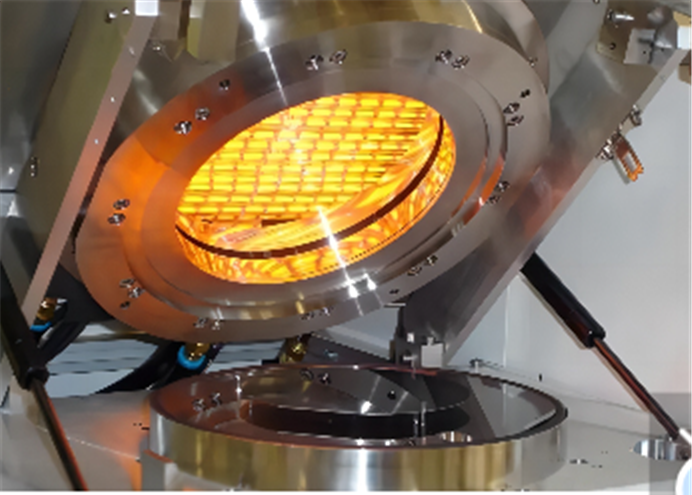
When it comes to drying and curing semiconductor wafers, infrared (IR) is the way to go. It lets us ditch those messy solvent-based chemicals and those massive, power-hungry convection ovens that take forever to warm up. The trick is that IR targets the specific molecular vibrations in the adhesive or photoresist. It triggers the cure right where it needs to happen, without turning the entire tool chassis into a giant space heater.
Cutting the power waste
Heating up air is just… wasteful. That’s how the old ovens worked, and it’s a huge drain on power. With IR lamps, you’re dealing with electromagnetic radiation. It shoots straight through the air and hits the wafer surface instantly.It’s fast. Really fast. Because the heat goes directly into the material, the tool doesn’t have a massive thermal footprint. You aren’t fighting to keep a giant box at a steady temperature; you’re just putting energy exactly where it belongs.
Going green without the headache
The push for “lead-free” and eco-friendly standards has put us in a tight spot. We can’t just dump heavy-metal catalysts or toxic solvents into the mix to speed things up anymore. But here’s the thing: we can just tweak the wavelength. Whether we use shortwave or medium wave, we can match the light to what the material actually absorbs. We get a full cure using nothing but light and heat. No hazardous additives, no toxic shortcuts. Just clean physics.
The tricky part (The Trade-offs)
Now, it’s not all magic. You get the speed and the cleanliness, but you have to be careful with the heat flux. If your IR lamps are cranking too hard and the temperature isn’t perfectly even, you’re going to warp your wafers. That’s a nightmare. To stop that from happening, you need a solid array of sensors watching the surface in real-time. And keep an eye on your cooling. If your system isn’t built to handle the radiant heat bleed, your other components will start to cook. We usually stick with a closed-loop feedback system. It’s the safest way to make sure you don’t accidentally burn a wafer during the cycle.