
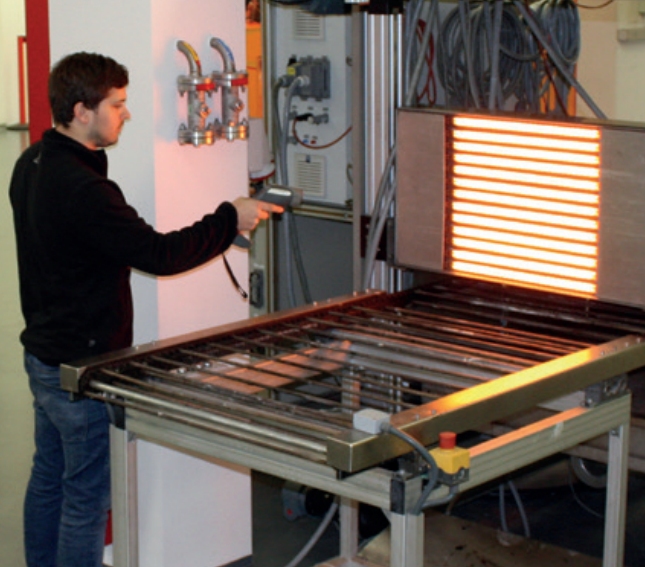
Introduction
Let’s get real about industrial infrared heating elements—the kind built for wafer oxidation furnaces. The big question on the floor is simple: can a domestic infrared lamp really slide right in where an imported one used to go, without forcing you to overhaul the machine or risk the process? The short answer: yes, if the engineering is done right. And it is.
Power and the Physical Specs
This heating element runs on serious power—400V, 2500W. That kind of punch is exactly what you need to hit temperature fast and keep the oxidation chamber humming. It’s built as a 300mm tube, and that length isn’t arbitrary. It matches the inside geometry of standard furnaces so the heat lands where it should—evenly across the wafer boat, with no cold spots or shadows.
Material and Design: What Makes It Work
Inside, you’ve got a shortwave infrared quartz tube with a halogen filament. Quartz handles the brutal temperature swings without cracking, and the halogen cycle keeps the filament clean, which helps the lamp last longer. The connector is R7s, and that choice matters. It gives you solid, two-point contact that can carry the high current safely—no arcing, no fuss. It wires up exactly like the original.
Real-World Performance and What It Means for You
On the line, this setup throws high heat density right where you need it. That means faster stabilization and process control you can trust. And the best part? Installation is non-destructive. The existing fixture holds the lamp without any modifications. But here’s the honest part, straight from engineer to engineer: all that power adds heat to the chamber. Your cooling system has to be up to the job, or temperature stability will start to drift.
The Compatibility Bottom Line
Compatibility comes down to matching the basics—voltage, wattage, length, and connector. When those line up, the lamp is a direct swap. It’s practical, it’s cost-effective, and it meets the thermal demands of the process without forcing you to rewire the whole machine.
The Reality Check
A 400V, 2500W tube puts out a ton of heat density. If your machine’s cooling is undersized, the furnace control loop will fight to hold setpoints during long runs. We build these elements to match OEM specs for one reason: to keep the line running. No guesswork. Just a straight swap.