

Stop the Bathroom Mold Battle with Infrared
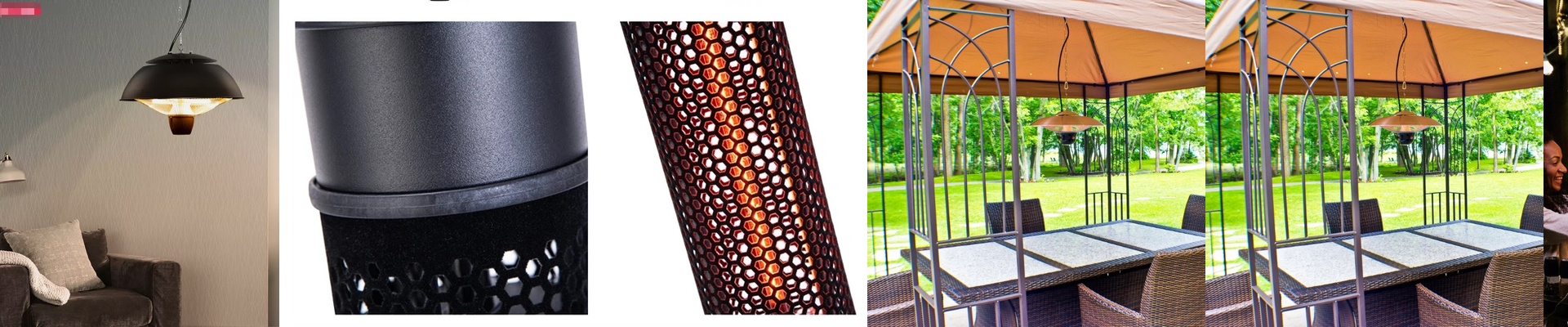
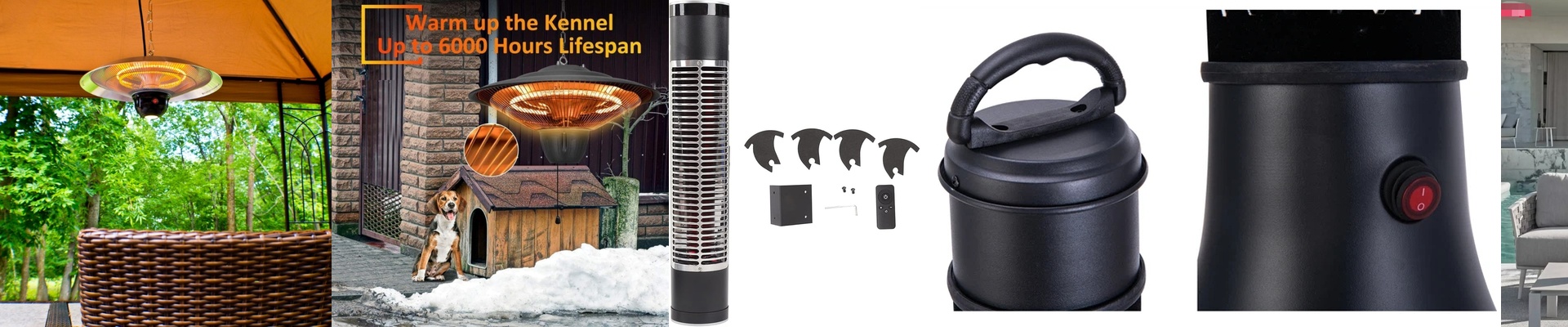
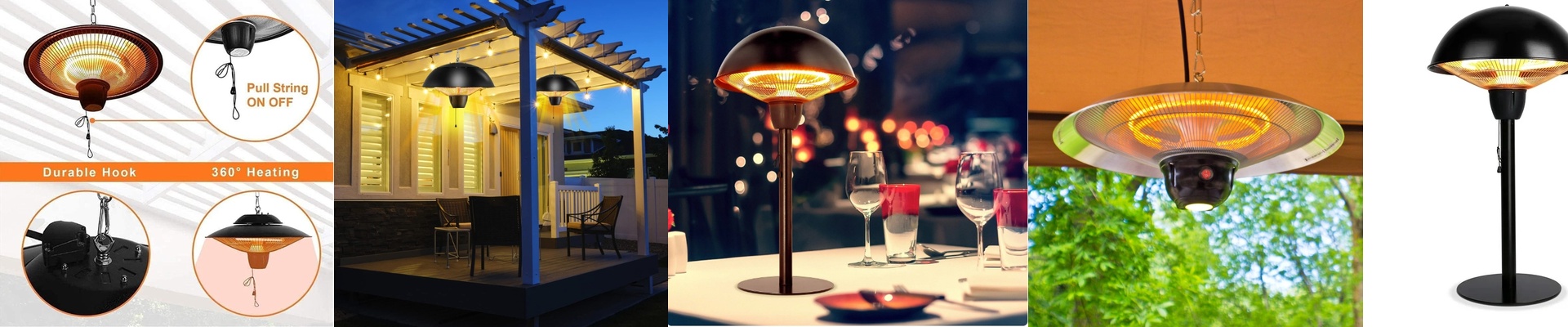
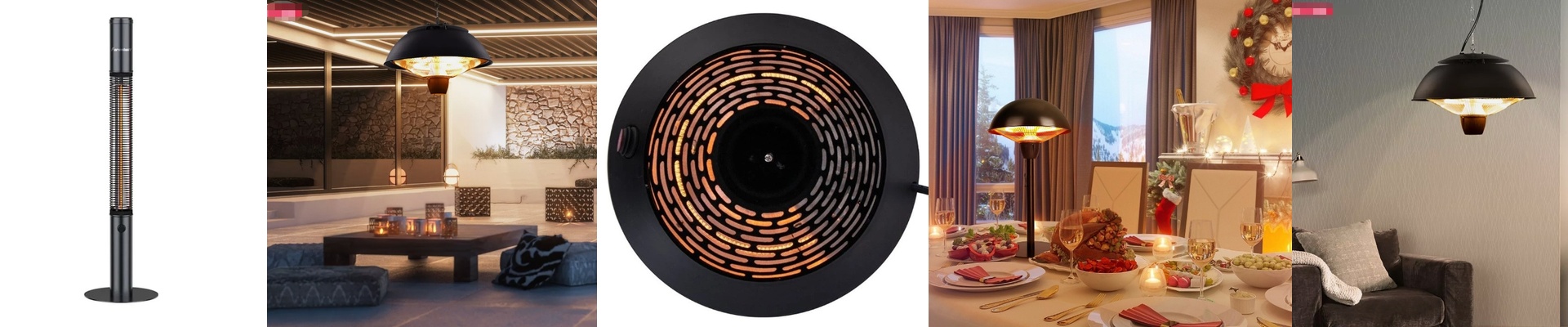
Most people see those infrared lamps in the bathroom and just think, “Oh, a heater.” But there’s actually some pretty cool stuff happening under the hood. It’s not just about making the air feel cozy; it’s about attacking moisture where it actually lives. You know that annoying dampness that clings to your tiles and grout? That’s where mold loves to move in. These lamps target that surface moisture directly to stop the mold before it even starts.
How it actually works
Here is the thing: most heaters just warm up the air. Infrared is different. It sends out energy in a straight line that makes water molecules vibrate. Think of it as a fast-forward button for evaporation. Instead of waiting an hour for your walls to dry, the lamps strip the moisture away almost instantly. It clears out that damp “skin” of air resting on your walls, which is exactly where mold spores usually settle and start growing.
The gear inside
To make this work, we use high-purity quartz glass tubes. We do this because regular glass would just block the heat spectrum. We also fill them with halogen gas, which lets the lamps push more power—usually between 250W and 600W—without burning out the filament. It’s powerful. Really powerful. One heads-up: these things pull a lot of juice the second you flip the switch. Just make sure your wiring is up to the task so you don’t trip a breaker.
The catch (and how to fix it)
Now, infrared isn’t magic. It only works where the light actually hits. If you’ve got a deep alcove or a weirdly shaped bathroom, you’ll end up with “cold spots.” Those hidden corners stay damp, and that’s where the mold will sneak back in. The trick is in the placement. Don’t just slap the fixture in the center of the ceiling and call it a day. Aim the lamps at the spots that always seem wet. And remember, you still need a decent exhaust fan. The lamps are great for drying your walls and ceilings, but you still need to push the actual humid air out of the room.