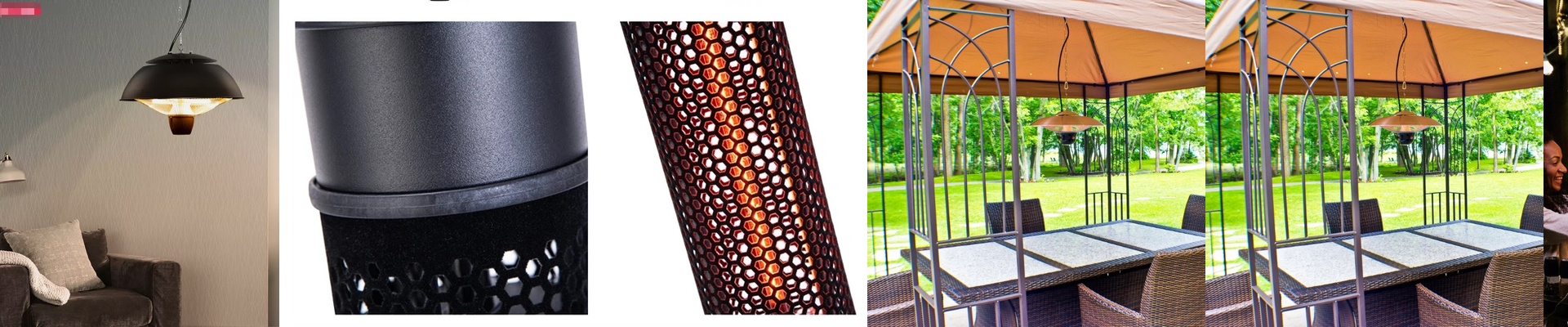
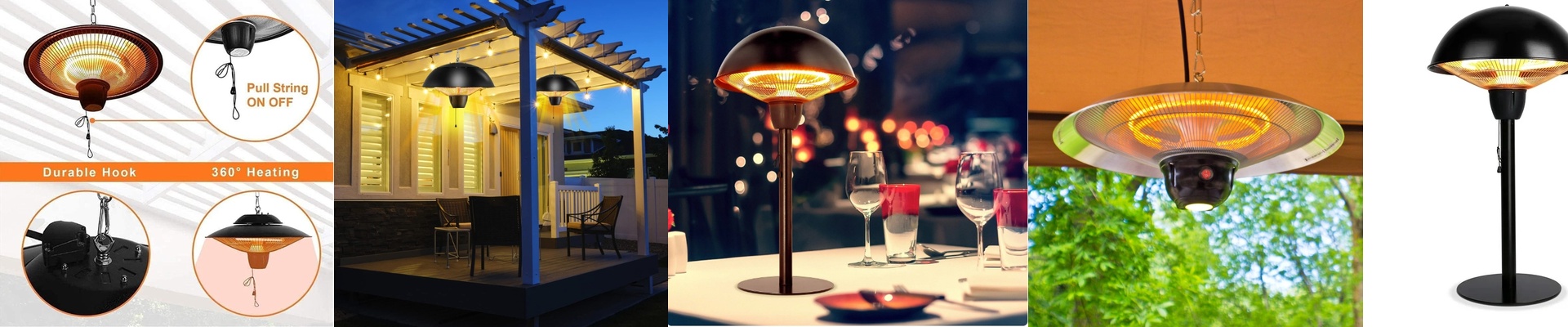
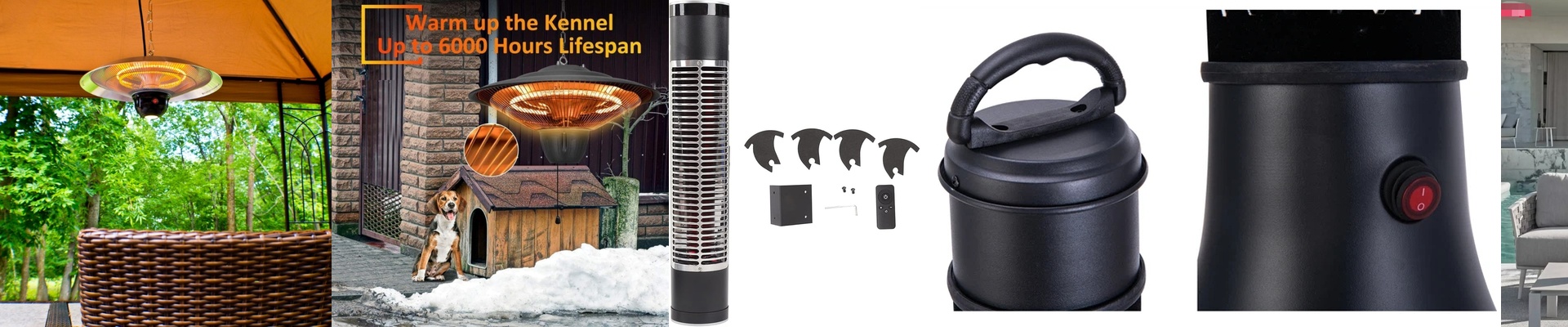
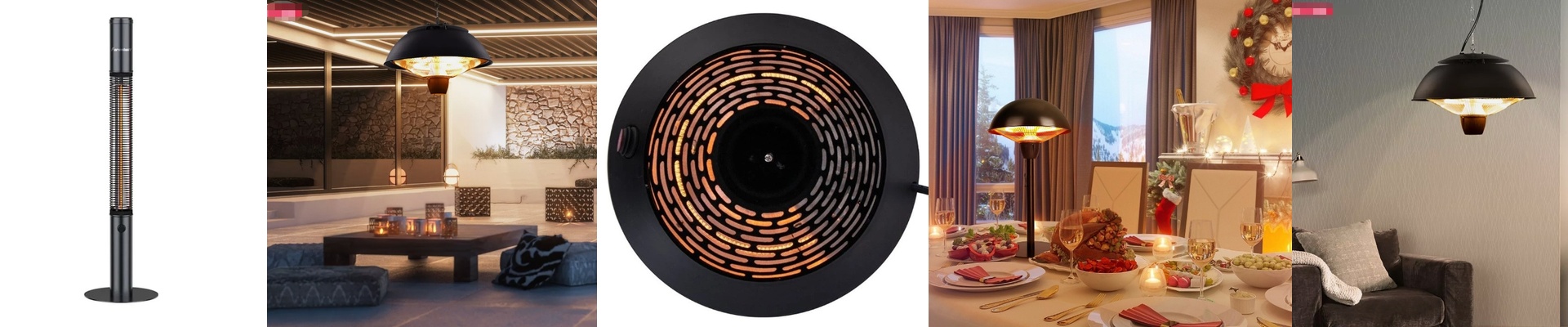

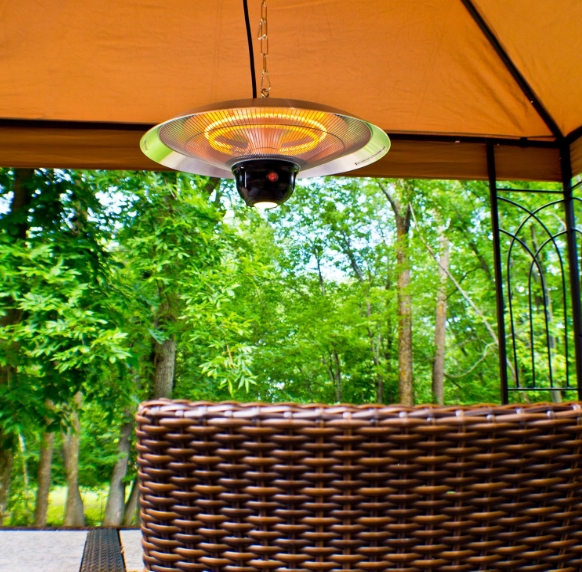
Keeping Things Warm (and Safe) in the Shower: The Truth About IP65 Quartz Heaters
Let’s be honest: putting a heater in a shower is a bit like playing with fire—or in this case, water and electricity. You aren’t just trying to stop the shivers when you step out of the tub; you’re trying to make sure the whole thing doesn’t blow a fuse or crack under pressure. That’s why we built our IP65 heaters the way we did.
Why “Explosion-Proof” Actually Matters
If you’ve ever dropped a cold glass into boiling water, you know it shatters. That’s thermal shock. In a bathroom, a single stray drop of cold water hitting a glowing hot quartz tube can do the same thing. It’s scary. To stop that, we use a specific kind of explosion-proof quartz glass. It’s designed to take those wild temperature swings without snapping. And just in case something does go wrong, the IP65 housing acts as a backup. It keeps the water out and contains the mess, so you don’t have to worry about electrical arcs where you least want them.
Dealing with the Steam
Steam is sneaky. It gets into everything. An IP65 rating is basically a fancy way of saying the unit is dust-tight and can handle water jets hitting it from any direction. We spend a lot of time sealing the wiring and the lamp sockets. Why? Because if moisture creeps into the circuitry, your heating element will corrode and burn out way faster than it should. We’d rather do the hard work on the seals now so you don’t have to replace the unit in a year.
The Trade-off: Instant Heat vs. Caution
These heaters are fast. Like, “instant warmth” fast. They use shortwave radiation to heat you up the second you flip the switch. But there’s a catch. Because the heat is so intense, the glass gets hot enough to burn you if you touch it. You’ve got to be smart about where you mount them and make sure you use protective guards. Safety first. One last tip: if you’re swapping out an old bathroom heater for one of these, check your circuit breaker. These units have a bit of a “kick” when they first start up. If your wiring is too thin, you’ll be walking to the electrical panel to flip the breaker every single morning. Not a great way to start the day.