

Why we’re swapping resistive furnaces for IR in CNT fabrication
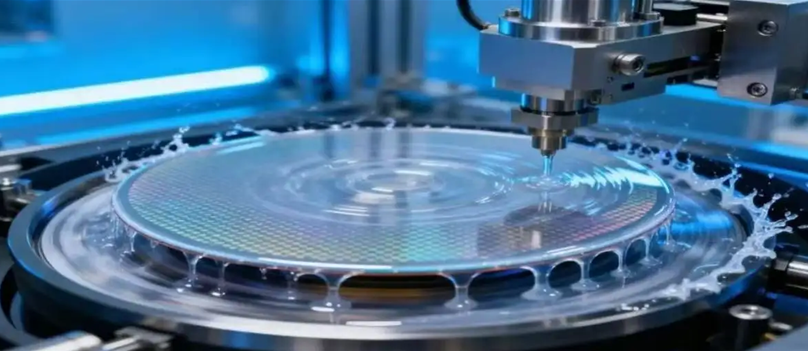
If you’ve spent any time growing carbon nanotubes, you know the struggle. You need pinpoint thermal control to get the chirality and purity right, but traditional resistive furnaces are just… clumsy. They waste a ton of energy heating up the entire chamber when you only actually care about the substrate. That’s why we moved to shortwave infrared (IR) lamps. Instead of heating everything, we just hit the target. It’s cleaner, faster, and it stops your energy bill from skyrocketing.
Getting the heat right
Here is the thing about CNT growth: the speed at which you hit that catalyst activation temperature is everything. If you’re too slow, the quality drops. Resistive elements just can’t keep up. IR systems, on the other hand, give you an almost instant burst of heat. Because you’re focusing the energy exactly where the growth happens, you aren’t wasting power while the system idles. It’s a simple way to cut down the carbon footprint of every single wafer. Plus, because these high-wattage lamps let us shrink the heating zone, we don’t need as much gas. That takes a huge load off your vacuum pumps, which—let’s be honest—your maintenance team will love you for.
The tricky bits (Hardware)
It isn’t all plug-and-play. You’ve got to be careful with the wiring. If your power supply isn’t stable, you’ll get flicker. That leads to temperature swings, and that’s how you ruin a batch. We use specialized quartz envelopes to keep the corrosive gases from eating the equipment. But the real danger is the cooling. You have to make sure your cooling jackets are actually up to the task. If they lag, the lamp housing overheats, and you’ll end up with burnt-out connectors and a dead system.
Making the factory actually “green”
Moving to IR means you can ditch those massive, energy-hungry thermal blocks. The cycle times are way faster. You don’t have to spend forever warming up the system during shift changes, so the electricity meter isn’t spinning wildly while your team is just getting settled. It’s a practical way to hit those carbon-neutral goals without slowing down production. The only real catch? The control loop is a bit more temperamental. You’ll need high-speed PID controllers to keep things steady. If you don’t, you risk overshooting the temperature and scorching your CNT forest. But once you dial that in, it’s a complete win.