


Why Gold-Coated Reflectors Actually Matter in a Vacuum
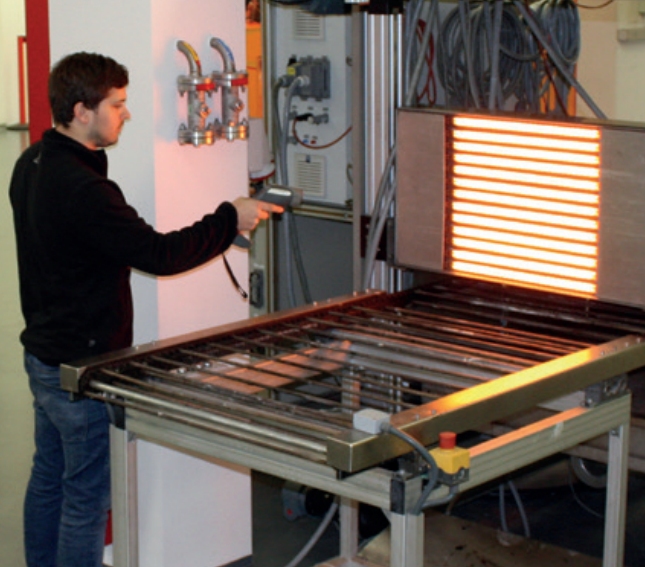
If you’re heating silicon wafers in a vacuum, you’ve probably realized that the usual rules don’t apply. You can’t lean on convection. None of it. You’re relying entirely on radiation. Here’s the problem: if you’re using standard polished aluminum or stainless steel, you’re basically throwing power away. Instead of hitting the wafer, a huge amount of that energy just soaks into the chassis. It’s a waste. The gold difference We use gold coatings because gold loves the infrared spectrum. It doesn’t just “reflect” light; it pushes the heat away from the lamp housing and bounces it exactly where it needs to go. When you do this, every watt you pay for actually hits the wafer surface. You get a much tighter thermal profile and the ramp-up happens way faster. It just feels more responsive. Dealing with the heat But there’s a catch. When you cram that much power into a tiny space, things get hot. Fast. Since the gold is so efficient at concentrating energy, your cooling jackets have to be spot on. If your cooling loop is undersized, you’re asking for trouble—warped reflectors or fried lamp seals. I’ve seen setups where the heat density was so intense that standard gaskets just gave up, and we had to switch to specialized high-temp versions just to keep the vacuum from leaking. The trade-off These heaters are built to drop right into your semiconductor tools without a fuss. But you have to treat them differently. The gold layer is incredibly thin. Please, for the love of your equipment, don’t scrub these with abrasive pads. You’ll strip the coating right off and your efficiency will tank. Stick to a soft cloth and the right solvent. It’s a bit of a deal: you get way better thermal uniformity and a lower power bill, but you have to handle the hardware with a bit more respect than your average industrial heater.