

Stop Wasting Your Power: The Truth About Gold-Coated IR Lamps
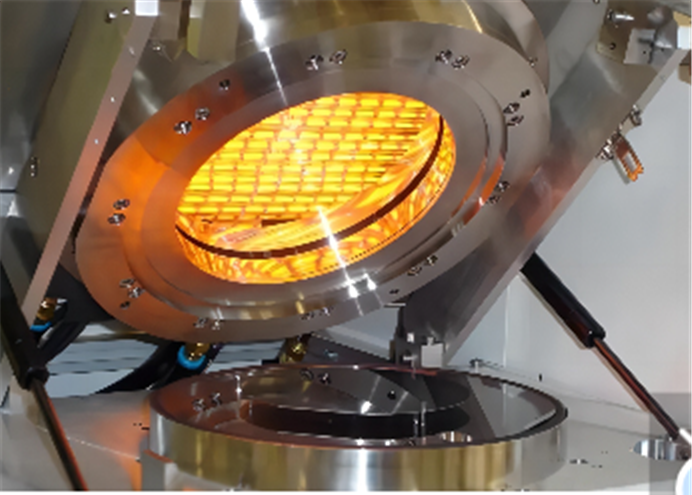
If you’re processing semiconductor wafers, you know that every watt counts. There’s nothing more frustrating than paying for power that just disappears. Here’s the problem: standard quartz lamps throw energy in every direction. It’s a 360-degree spray. That means about half of your expensive power is just heating up your machine’s chassis instead of actually hitting the wafer. It’s a total waste. We fixed this by putting a high-purity gold coating on the back of the lamp. Why gold? It’s not about the bling. Gold is just incredibly good at reflecting infrared light. Other options, like aluminum or silver, tend to flake or oxidize when things get really hot. Gold stays put. Think of it as a mirror for heat. Instead of letting those photons wander off, the gold bounces them straight back toward your target. You get a concentrated beam of energy. The best part? You get more heat on the wafer without having to crank up the electricity. A word of caution on power Now, because you’re concentrating all that energy, things get intense. The heat density at the focal point is way higher than what you’d see with a clear lamp. You’ll need to keep an eye on your PID controllers. Since the heat hits faster, you have to tune them for a quicker ramp-up, or you might overshoot your target temperature before you know it. We usually suggest these for high-wattage setups where space is tight. Since the gold pushes more energy forward, you can often get the job done with fewer lamps. That takes a lot of pressure off your power supplies. The trade-offs Look, gold coatings aren’t a magic wand. Adding that layer to the quartz changes how the tube breathes heat. If you’re doing a very slow, low-temperature soak, that extra intensity might create hot spots. You’ll want to double-check your thermal gradient to make sure the wafer doesn’t warp from the focused energy. And please,get your alignment right. If the lamp is even slightly tilted, that reflected beam misses the target. If that happens, you’re right back where you started, losing all that efficiency.