

Keeping Things from Blowing Up: Infrared Heating in Chemical Vacuums
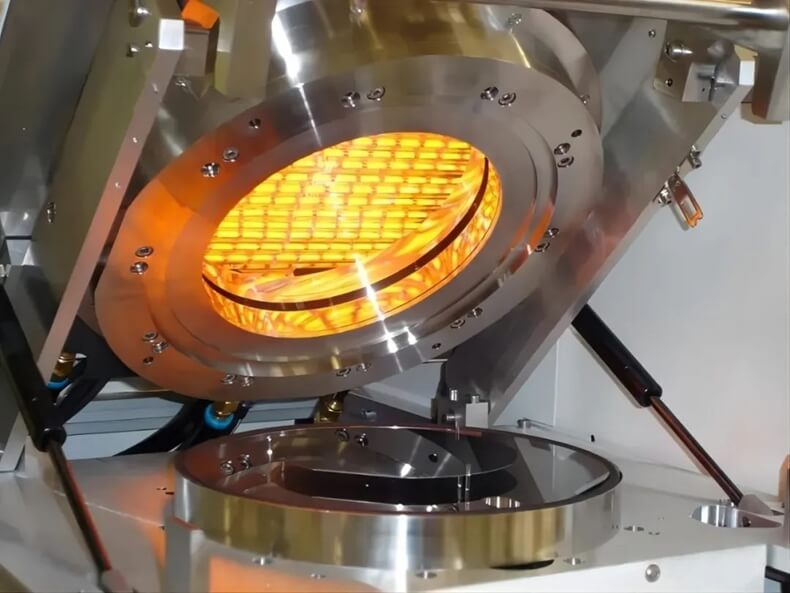
Let’s be honest: putting infrared heaters inside a vacuum chamber filled with flammable chemical solvents is a nerve-wracking prospect. You’ve got high heat on one side and explosive vapors on the other. One tiny spark or a leaky lamp housing, and you’re not just looking at a breakdown—you’re looking at a disaster. We deal with this by ditching open-air lamps entirely. Instead, we use a sealed encapsulation system.
Why the seal matters
Think of it as a protective cocoon. We wrap the heating elements in a tough quartz or ceramic sleeve that doesn’t care about harsh chemicals. Then, we lock the ends tight with industrial epoxy or vacuum-grade flanges. This creates a hard physical wall between your electricity and those volatile fumes. It keeps the vapors out of the electrical connections, which means you don’t have to worry about arcing. It’s simple, but it’s what keeps the lights on and the building standing.
Dealing with the heat
The real trick is managing the heat density. You need enough punch to strip those chemicals, but you can’t just crank it up or you’ll fry your seals. We handle this by spreading the wattage evenly across the whole tube. We also use gaskets that can actually take a beating from aggressive cleaning agents without crumbling. One big tip: watch your ramp-up speed. If you blast the heat too fast, the quartz and the metal housing expand at different rates. That puts a massive amount of stress on the seals. Just give it a gradual warm-up. Your equipment will thank you.
Getting it running and keeping it that way
These units are designed to be drop-in replacements for your standard vacuum heaters. No need to rebuild your whole setup. We also use reinforced wiring because vacuum pumps vibrate. A lot. If you use flimsy wires, those connections will eventually shake loose. And here is a bit of hard truth: if a seal fails,**pull the unit and replace it.**Don’t try to patch a vacuum seal in the field. It never works, and it usually just leads to a premature burnout. Lastly, make sure your venting is dialed in. You want those leaked vapors gone before they ever have a chance to touch the heater’s surface. Stay safe.