

Keeping Your Wafers Warm: The Truth About IR Trolley Heaters
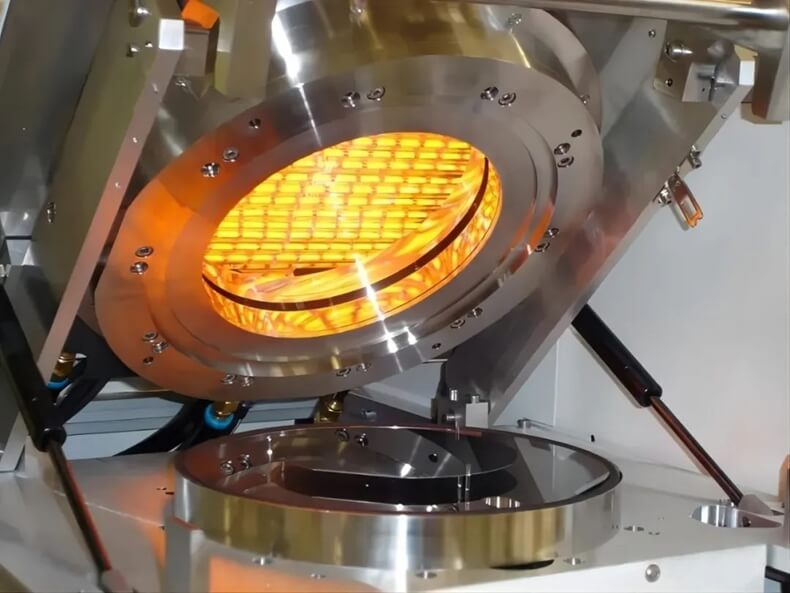
If you’re running a Smart Fab, you already know the stress of moving wafers and substrates. One wrong temperature dip during transport and you’ve got a problem. That’s why we lean on short-wave infrared (IR) for our trolley heaters. Here’s the best part: IR uses radiant heat. It doesn’t need to push air around to work, which is a lifesaver in a clean room. No air movement means no stray particles floating where they shouldn’t be. Simple. Getting the Data Right These days, if it isn’t tracked, it didn’t happen. We make sure our IR systems talk to your existing setup. By hooking up PID controllers to your PLC, you can see exactly what’s happening with your temperature gradients in real-time. It’s basically like having a digital mirror of your thermal process. You get a clear, honest log of exactly how much heat every single batch saw. No guessing. Speed and Power We built these for speed. Short-wave IR lamps hit your target temperature in seconds. You don’t have to deal with that annoying lag you get with old-school resistive heating elements. To keep the trolleys from becoming bulky, we use high-wattage density lamps. But a word of caution: these things pull a lot of current. If you’re aiming for lightning-fast ramp-up times, just double-check that your cabling and power rails can handle the peak load. You don’t want a voltage drop right when you need the heat most. The Clean Room Trade-off To keep things pristine, we use quartz envelopes. They don’t outgas, and they don’t shed particles. But there’s a catch. Quartz is fragile. It’s great for precision, but it can’t take a hit. You’ll want to build some sturdy guards into your trolley frame to protect those tubes while they’re moving. A cracked tube is a nightmare for your vacuum or clean room integrity. To make life easier, we suggest a modular “drop-in” design. That way, if a lamp does go, you can swap it out quickly and get back to work without the long downtime.