

Keeping Your MEMS Wafers Spotless During Drying
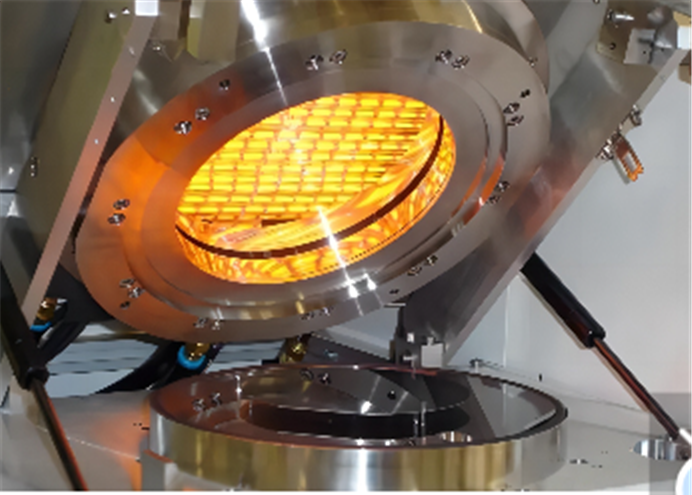
When you’re drying MEMS sensor wafers, heat is only half the battle. The real fight is against particles. If you’re working in a Class 100 cleanroom, you already know the nightmare: one tiny flake of degraded filament or a bit of outgassing material, and your entire batch is trash. That’s why we stick with high-purity synthetic quartz infrared lamps. They just work.
Why the Quartz Matters
Most standard quartz has impurities. When things get hot, those impurities break down and spit micro-particles right into your airflow. Not great. We use high-purity fused silica instead. It doesn’t crystallize or “shed” when you’re cycling the heat up and down rapidly. It stays put. The way it works is pretty cool. The infrared radiation hits the liquid film on the wafer and evaporates it almost instantly. Since we’re using a short-wave spectrum, the energy goes straight to the water. You don’t have to bake your entire chamber just to get a wafer dry.
Designing Out the Junk
We took a hard look at the lamp assembly and got rid of the typical adhesives and cheap resins. Those materials are a liability—they outgas at high temperatures and leave a chemical film on your sensors. Instead, we went with mechanical seals and alloys that can handle the heat without breaking a sweat. You’ll notice the lamp surface is polished to a mirror finish. That’s not for looks; it means there’s nowhere for particles to cling to. One quick tip if you’re wiring these into a high-density array: keep your power supply steady. If you get voltage spikes, the filament vibrates. Do that too often, and the lamp burns out way sooner than it should.
The Reality Check
Now, high-purity quartz is a bit brittle. It handles thermal shock like a pro, but it can’t take a physical beating. If your setup has a lot of mechanical vibration, you’ll need dampened mounts to keep things safe. Also, keep an eye on your exhaust. Because the heat density is so high, you need to pull that moisture away fast. If you don’t, you’ll end up with condensation creeping back onto the edges of your wafers.