

Stop Wasting Heat: Why Quartz Shields Actually Matter for Your Fab Lamps
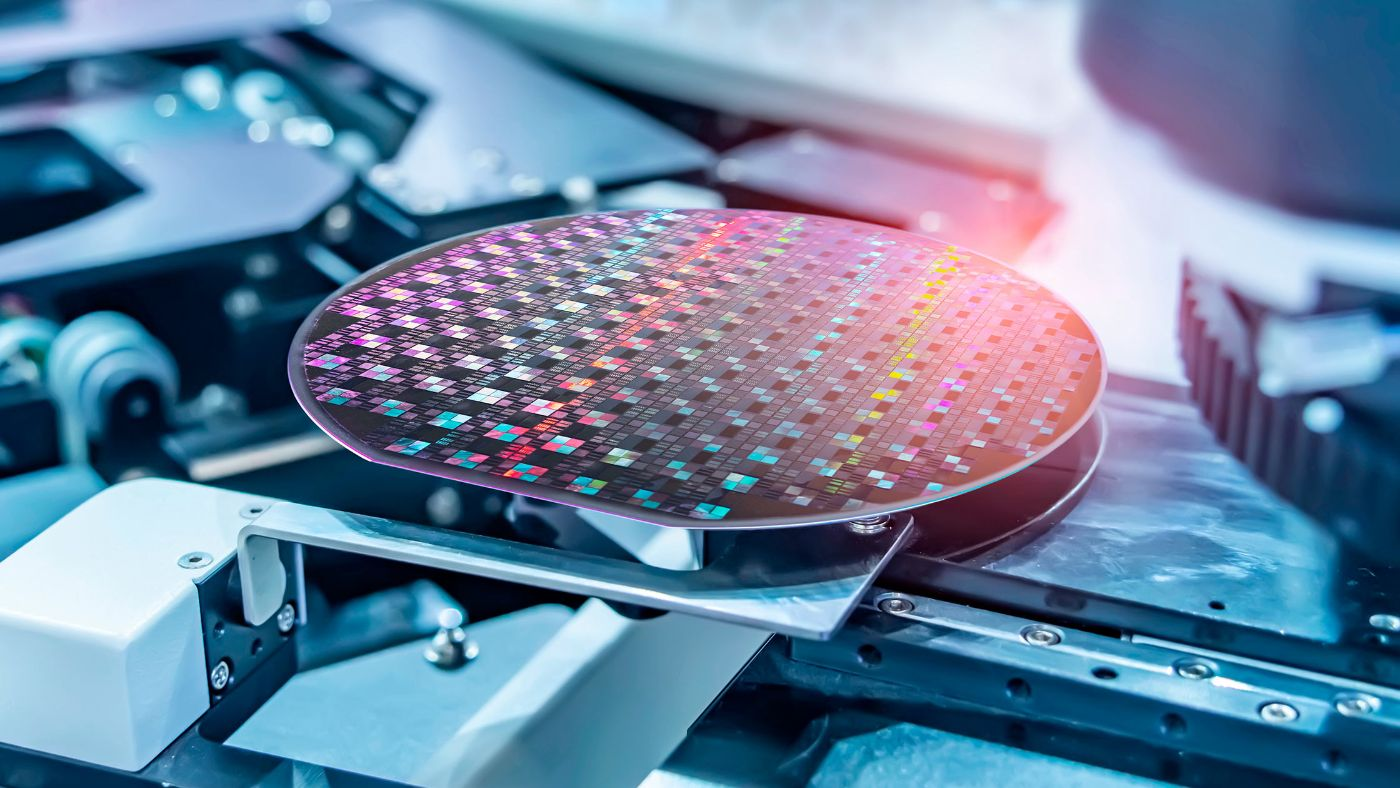
When you’re running a semiconductor fab, the last thing you want is your heating lamps contaminating a wafer. It’s a nightmare. That’s why we use high-purity quartz glass shields. Think of them as a bodyguard for your lamps. They sit right there between the heating element and your processing environment, keeping everything clean and separated. Why quartz? Why not just use regular glass? Here’s the thing: regular glass is a sponge for heat. If you tried to use it here, the shield would soak up all that energy, get stressed, and probably shatter. Quartz is different. It lets short-wave infrared radiation pass straight through. The energy goes exactly where it needs to go—hitting the target, not getting trapped in the shield. Plus, we use high-purity fused silica. This stops “outgassing,” which is just a fancy way of saying it won’t leak gunk into your cleanroom. Cutting costs (and the carbon footprint) We talk a lot about “green factories,” but how do you actually make that happen? For us, it’s all about heat localization. Without a good shield, heat just bleeds out in every direction. It’s a waste. By focusing that thermal load, you stop heating up the rest of your chassis. That means your kilowatt-hour draw per wafer drops. And here is the best part: your HVAC and cooling systems don’t have to work nearly as hard to keep the room chilled. Less cooling equals less electricity. It’s a win-win. Getting them installed These aren’t a headache to set up. They’re designed as drop-in replacements. You just wire up your system, slide the shields into place, and you’re good to go. But a word of caution. Quartz is tough when it comes to heat, but it’s brittle. One hard bump during installation and the whole tube is gone.And please, wear gloves. Even a few fingerprints can be a problem. Skin oils create “hot spots” on the glass, and when you crank up the wattage, those spots can cause the shield to fail way sooner than it should. Keep them clean, handle them gently, and they’ll do their job.