
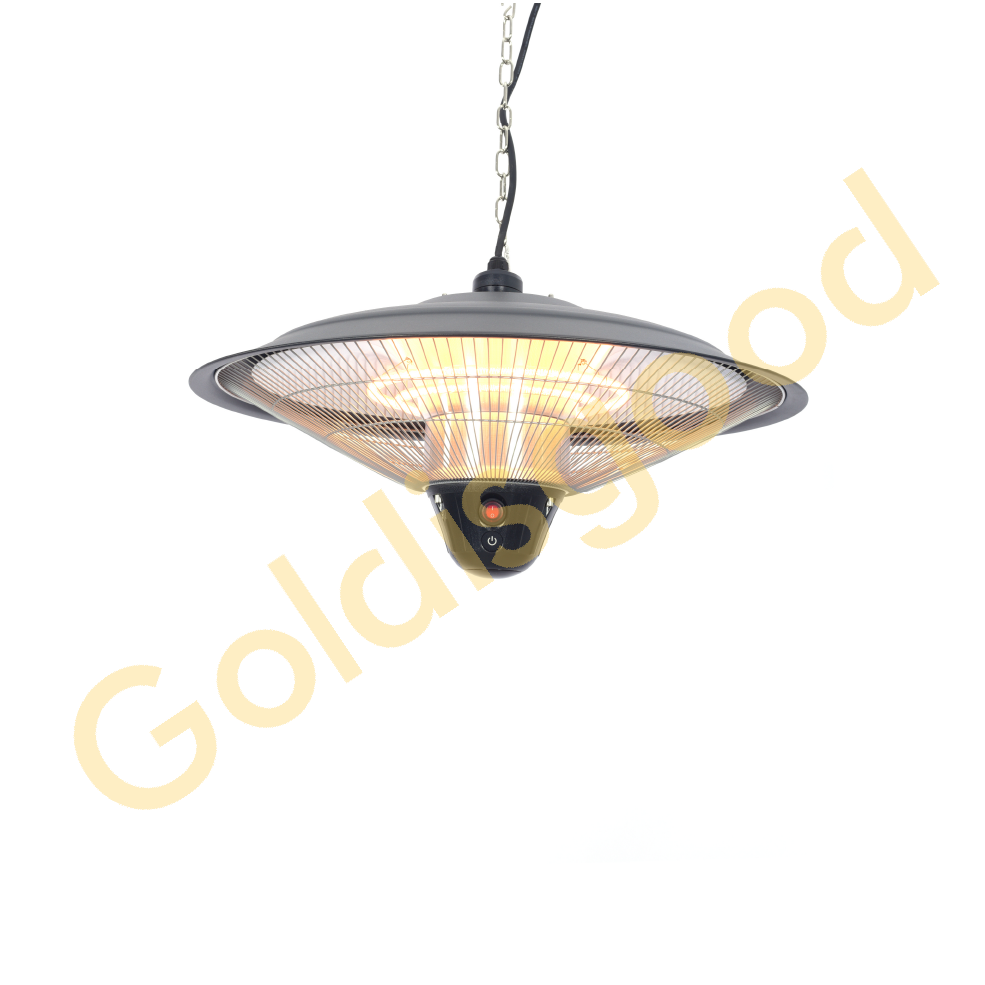
The Truth About Bathroom Heaters: Keeping You Warm Without Blinding You
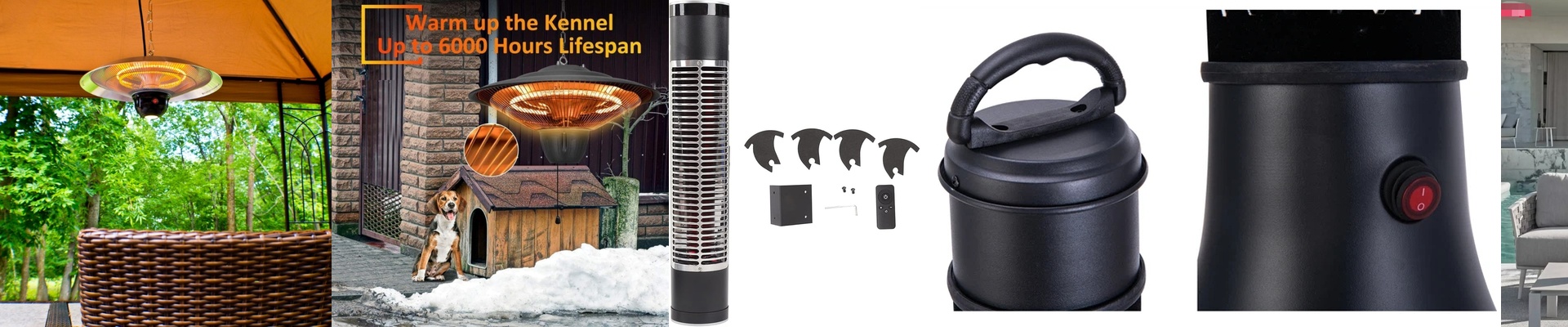
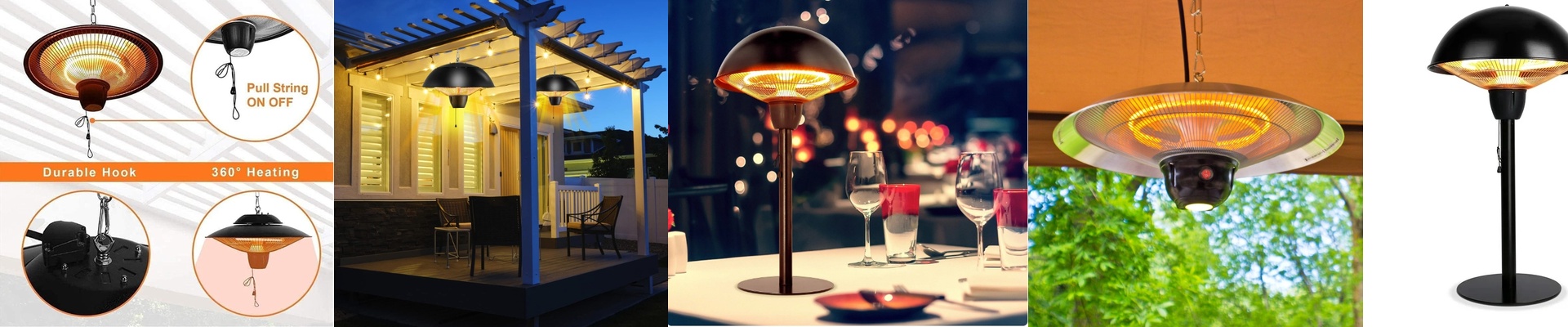
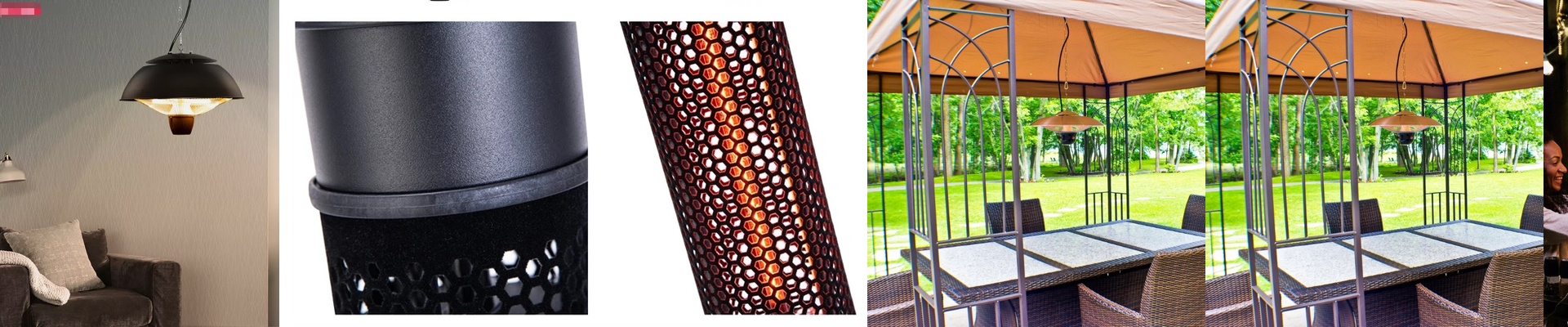
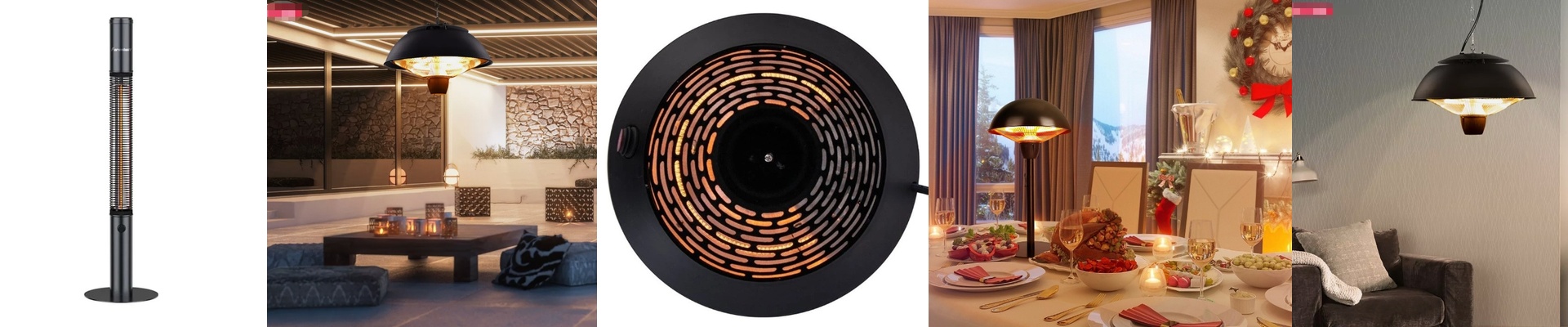
Bathrooms are a nightmare for electronics. You’ve got steam, splashes, and humidity everywhere. To stop everything from short-circuiting, we build our heaters to IP55 standards. That’s just a fancy way of saying we make sure dust and water can’t get inside to fry the guts of the machine. But honestly? The waterproof box is the easy part. The real headache is the light. The “Blinding” Problem Most short-wave infrared lamps are basically light cannons. They blast out a huge spectrum, including UV and a bunch of bright visible light. For most of us, it’s just annoying. But for a baby with developing eyes? It’s actually dangerous. We can’t have that. So, we use special quartz coatings and filtered lenses. Think of it like sunglasses for the heater. These filters block those harsh blue-light peaks but let the actual heat pass right through. You get that cozy, warm feeling on your skin, but without the blinding glare that feels like staring into the sun. The Heat Trap Here is the tricky part: when you seal a heater tight enough to keep water out, you’re also trapping heat inside. If we used standard wiring, the insulation would just melt. It’s a recipe for disaster. To fix this, we swap out the cheap stuff for high-temperature silicone or fiberglass sleeving. It handles the “soak”—that intense internal heat—without breaking a sweat. Keeping it Real Let’s be clear: these aren’t meant to heat your entire house. They’re point-source heaters. They’re for that moment you step out of the shower and don’t want to freeze. By filtering the light for safety, we actually lose a tiny bit of raw heating power. It’s a tradeoff. But in a family bathroom, safety wins every time. You still get that instant blast of warmth the second you flip the switch, but you can sleep easy knowing it’s safe for everyone in the house.