


Getting Your Fab’s Heat Management Right
When you’re building a digital-ready Fab, it’s easy to get obsessed with the software. But here’s the thing: all that fancy data doesn’t mean a thing if your hardware melts. You have to start with how you handle heat. For our semiconductor setups, we stick with Teflon (PTFE) insulated wiring and high-output infrared (IR) systems. It’s the only way to make sure a hardware failure doesn’t kill your entire production run.
Why we insist on PTFE
If you use standard PVC wiring in a semiconductor environment, it’s going to burn out. Period. We use Teflon because it can take a beating—continuous temps up to 260°C—without melting or releasing nasty gases. In a smart Fab, your sensors are crammed right up against the heating elements. You can’t have the insulation breaking down right there. Plus, it handles those corrosive cleaning agents used in wafer processing without flinching. It just keeps the electrical signal clean and steady.
Making IR systems actually work
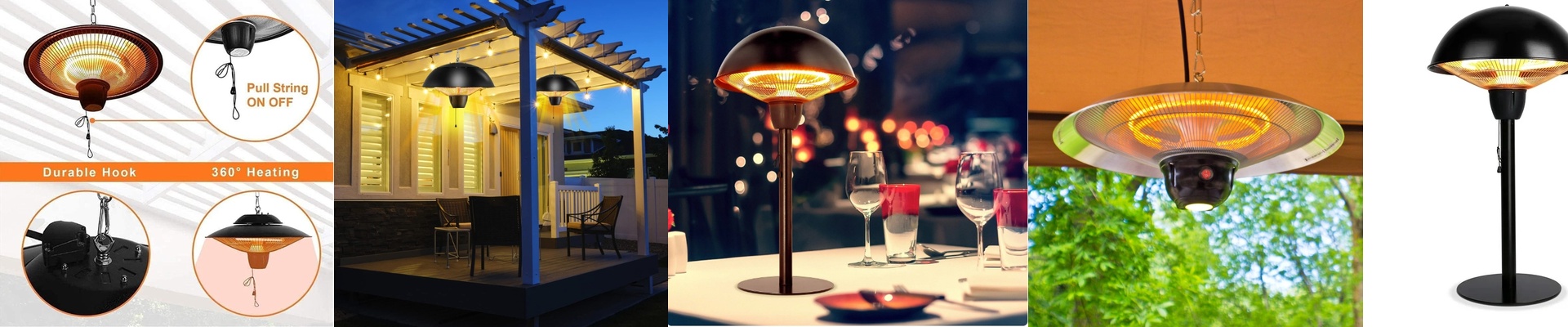
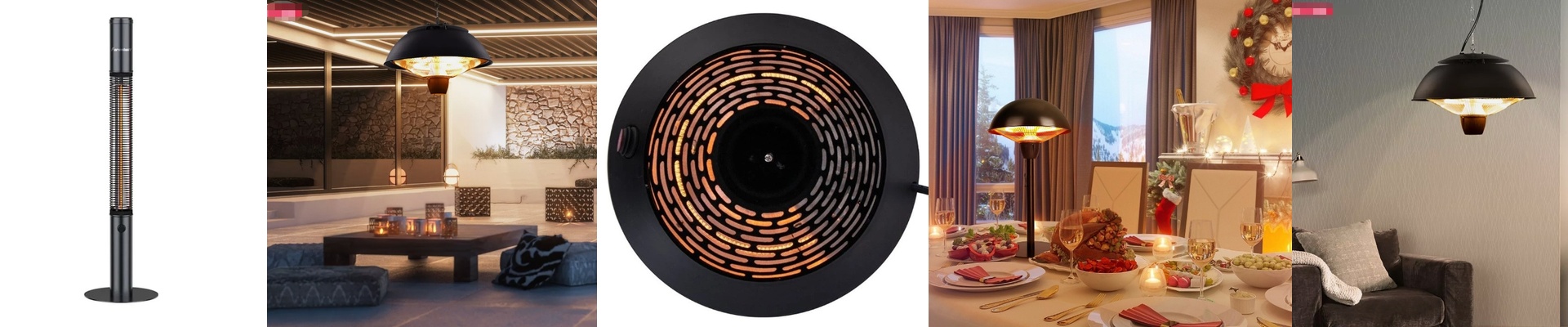
If you’re moving toward Industry 4.0, IR systems are the way to go for thermal energy. Unlike those old-school convection heaters, IR uses radiation. This is great because you can put the heat exactly where you need it. You can map the heat distribution on a screen and tweak the power on the fly. We hook these up to PLC controllers so the thermal profiling happens automatically. By using shortwave IR, the systems heat up fast. That means the surrounding parts don’t get soaked in unnecessary heat.
The messy reality of engineering
Nothing is perfect. High-density IR arrays put out a massive amount of heat. If your cooling manifolds aren’t beefy enough to handle that ambient rise, you’re going to trip your thermal overrides and shut everything down. And a heads-up on the wiring: Teflon is tough, but it’s stiffer than silicone. You can’t just bend it around a tight corner. You need to give it a wider bend radius in your control cabinets, or you’ll end up with stress fractures in the conductor. We also spend a lot of time on cable management. If a wire rubs against the heater chassis while it’s expanding and contracting from the heat, it’ll eventually wear through. Keep it tidy, give it room to breathe, and it’ll actually last.