
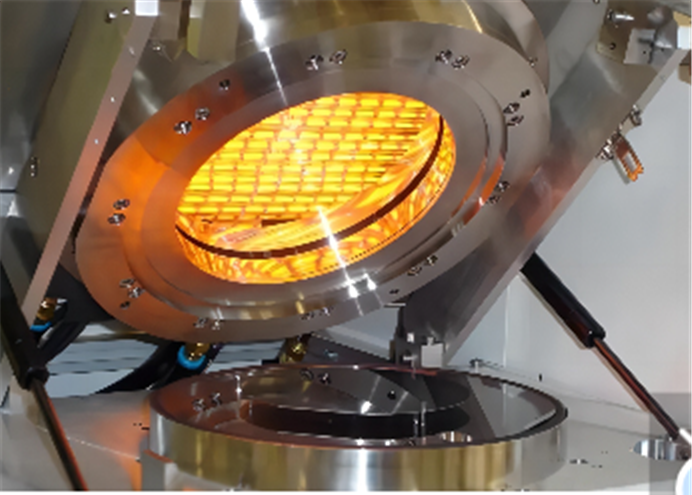
Why we’re ditching convection ovens for IR curing
Let’s be honest: traditional convection ovens are kind of a waste. You’re spending a ton of energy heating up an entire room of air just to dry a few parts. It’s inefficient, and frankly, it’s outdated. That’s why more semiconductor lines are moving toward infrared (IR) curing. It’s a cleaner way to work, and it actually fits in with the push for eco-friendly, lead-free manufacturing. It’s all about where the heat goes Here’s the thing: IR doesn’t bother with the air. It uses electromagnetic radiation to hit the substrate directly. Think of it like a microwave versus a toaster oven. Instead of waiting for the air to get hot, the energy goes straight into the material. The ramp-up is incredibly fast. Plus, since you aren’t turning your entire facility into a sauna, your HVAC system doesn’t have to work overtime to keep the room cool. Dealing with lead-free headaches If you’ve worked with lead-free solders or adhesives, you know they’re picky. They need a very specific temperature window. If you go too high, you’ve just ruined a wafer or fried a package. With IR, we have a lot more control over the heat flux. We can tweak the wavelength—switching between shortwave or medium-wave—to match exactly what the material needs. It takes the guesswork out of it and stops those annoying component failures that happen when things get too hot. The catch (because there’s always one) Now, you can’t just swap out an oven for an IR lamp and call it a day. It’s not magic. IR puts out a lot of heat in a very small space. If your conveyor speed is off or your positioning is sloppy, you’ll burn your substrates. You need a rock-solid PID control loop and sensors that actually work to keep everything stable. It takes a bit of tuning to get it right. But once it’s dialed in? It’s a dream. We’re talking about cutting drying cycles from minutes down to seconds. We can even kick out the chemical solvents in a lot of stages, which makes the whole line cleaner. You pass your environmental audits with flying colors, and your throughput stays high. It’s just a better way to build.